
茶碗筆記 vol.29 逸翁美術館:松平不昧,宋代珠光青瓷茶碗,銘「早苗」 - Itsuō Museum, Jūkōseiji Celadon Tea Bowl, Sanae, Song Dynasty

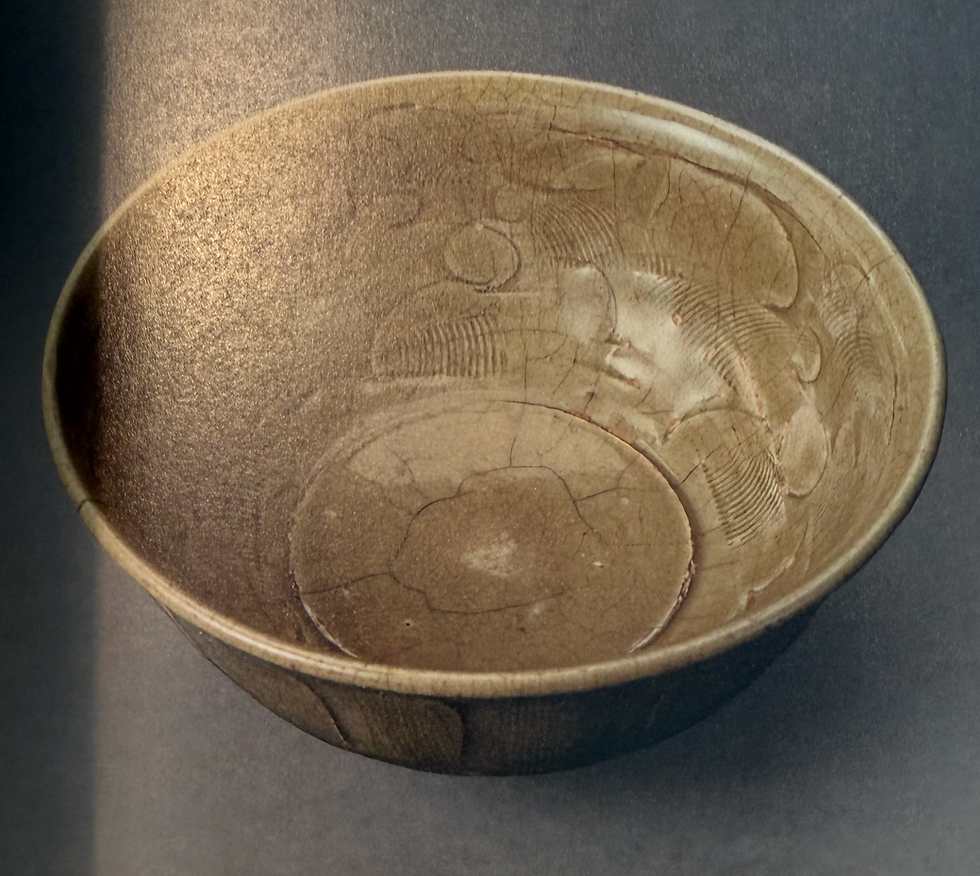
「早苗」是傳世兩件松平不昧舊藏珠光青瓷茶碗的其中之一,另一件則是現藏於根津美術館的「遲櫻」。這兩件名物代表了目前流傳有序、身世來源最早且最清晰的珠光青瓷標本。有趣的是,不論是「早苗」或「遲櫻」,其器表特徵與製作工藝皆存在明顯的個體差異,極可能出自不同的窯口。多年來,中日兩國學者針對這類珠光青瓷的確切產地展開了多次深入探討,其中最新的研究觀點見於出光美術館德留大輔於2023年發表的評論,他指出閩江流域下游的福清窯和莆田窯均有可能是其誕生地。因此,「早苗」與「遲櫻」的實物對比,對於釐清宋元時期福建外銷青瓷的窯口歸屬與工藝流變,具有極其關鍵的歷史實證價值。
早苗流傳歷史與「銘」之由來:
本品最初載於江戶時代大名茶人松平不昧(Matsudaira Fumai, 1751–1818)的藏品名錄《雲州藏帳》(雲州蔵帳)中。
「早苗」(Sanae)這個名號(銘)是由松平不昧親自賦予的。在日文中,「早苗」指的是初夏時節剛剛插下、充滿生機的嫩綠水稻秧苗。外壁的篦紋,較為直,也許是這個名字的來源。
逸翁美術館(Itsuō Art Museum / いつおうびじゅつかん)是由阪急電鐵與寶塚歌劇團的創辦人——小林一三(雅號逸翁)於1957年創立,坐落於大阪府池田市。館內珍藏約5,500件小林一三畢生搜羅的珍貴文物,涵蓋日本重要文化財、日本畫(如與謝蕪村與吳春的傑作)、古書畫以及中日茶道具,並設有重現其設計的椅子式茶室「即心庵」與附設演藝廳。


其他珠光青瓷參考:
茶碗筆記 vol.25 三井美術館:宋代珠光青瓷茶碗,北三井家傳來 - Mistui Memorial Museum, Jūkōseiji Celadon Tea Bowl, Song Dynasty
The Itsuō Art Museum (Itsuo Museum) was established in 1957 in Ikeda City, Osaka Prefecture, by Itsuo Kobayashi (Ichizo Kobayashi), the prominent industrialist who founded the Hankyu Railway and the Takarazuka Revue. The museum houses a distinguished collection of approximately 5,500 art pieces amassed by Kobayashi during his lifetime, including Designated Important Cultural Properties of Japan, traditional Japanese paintings by masters like Yosa Buson and Goshun, ancient calligraphy, and Chinese and Japanese tea utensils. It features a concert hall and "Sokushinan," a tearoom replicating his unique chair-style tea ceremony design.
"Sanae" is one of two surviving Jūkō-style celadon (Jūkō-seiji) tea bowls handed down through generations from the collection of the famous Edo-period daimyo and tea master Matsudaira Fumai; the other is "Chicakura" (also read as Osozakura), currently preserved in the Nezu Museum. These two heirloom pieces represent the earliest and most clearly documented examples of Jūkō-style celadon tea bowls with a traceable provenance. Interestingly, "Sanae" and "Chicakura" exhibit distinct differences in their surface characteristics and manufacturing techniques, indicating they likely originated from different kilns. Scholars from both Japan and China have long debated the exact birthplace of these Jūkō celadon wares. The most recent scholarly perspective comes from an entry published in 2023 by Daisuke Tokudome of the Idemitsu Museum of Arts, who suggested that kilns located along the lower reaches of the Min River basin—such as the Fuqing and Putian kilns—are highly plausible candidates. Consequently, the comparative study of "Sanae" and "Chicakura" serves as vital material evidence for pinpointing the specific kiln origins and understanding the technical evolution of Fujian export celadon during the Song and Yuan dynasties.
逸翁美術館(いつおうびじゅつかん)は、阪急電鉄や宝塚歌劇団の創設者である小林一三(雅号:逸翁)の収集品を公開するため、1957年に大阪府池田市に開館しました。館内には、国の重要文化財を含む古書画、与謝蕪村や呉春らの日本画、日本・中国の茶道具など、一三が生涯をかけて集めた一級の美術品約5,500件が収蔵されています。また、一三考案の椅子式茶室を再現した「即心庵」や、マグノリアホール(音楽ホール)が併設されているのも特徴です。
「早苗」は、江戸時代の大名茶人・松平不昧の旧蔵として伝世する、二つの珠光青磁茶碗のうちの一一です。もう一方は根津美術館が所蔵する「遅桜」であり、この二碗は伝来(プロベナンス)が最も明確に判明している最古の珠光青磁の優品として知られています。興味深いことに、「早苗」と「遅桜」はその形態的特徴や作調が異なっており、それぞれ異なる窯で焼成された可能性が指摘されています。珠光青磁の具体的な産地を巡っては、これまで多くの研究者が議論を重ねてきましたが、最新の論考としては、出光美術館の徳留大輔氏が2023年に発表した論評が挙げられます。そこでは、閩江(びんこう)流域の下流に位置する福清窯や莆田窯(ほでんよう)などが産地候補として考察されています。このように、「早苗」と「遅桜」を比較研究することは、中国福建省における輸出用青磁の窯口の同定や、茶道史における実証的な変遷を解き明かす上で、極めて重要な意味を持っています。


Comments