
宋代筆記 vol.160 大英博物館:克拉克伉儷收藏北宋汝窯瓶 - British Museum, Alfred & Ivy Clark Collection, Ru Ware Vase, Northern Song Dynasty

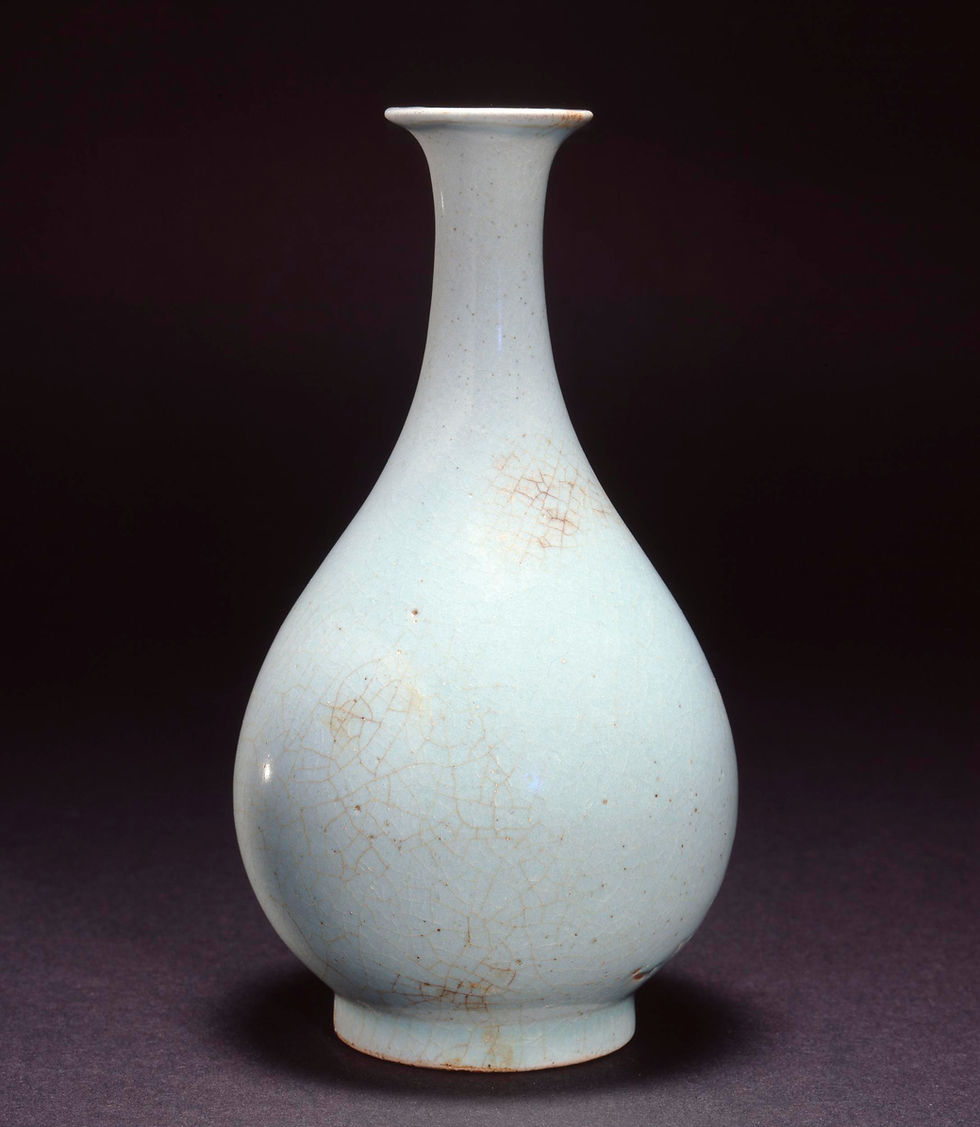
這件北宋汝窯青瓷瓶(大英博物館藏品編號1978,0522.1),高20.1厘米,通體天青釉裹足支燒,細碎開片自然,造型源自唐代佛教淨瓶演變而來的玉壺春式,為傳世汝窯中罕見的大型瓶類器物。汝窯燒製期僅約20–40年,專供徽宗宮廷,全世界完整傳世件少於100件,此瓶由英國藏家阿爾弗雷德·克拉克伉儷蒐集,後於1978年經R.A.A. Holt捐贈入館,體現20世紀初西方對宋瓷頂級官窯的超前辨識與收藏深度。
近年大英博物館中國陶瓷研究持續推進,雖無針對此瓶的最新專項科技檢測報導,但2021年館方借助手持XRF技術重新確認一件長期誤判為高麗青瓷的汝窯洗,凸顯汝器辨識技術進展;同時,館藏汝窯系列(含此瓶)在2024年大維德基金會1700件中國瓷器巨額捐贈後,進一步鞏固其作為海外最重要宋瓷收藏之一的地位,相關展覽與研究或將帶動更多跨國視角下的汝窯價值再評估。

This Northern Song Ru ware celadon bottle (British Museum acc. no. 1978,0522.1), standing 20.1 cm tall, features a uniform sky-blue glaze with characteristic fine crackle and wrapped-foot firing technique, its elegant Yuhuchun form evolved from Tang Buddhist vessels—making it one of the rarest large Ru bottles among the fewer than 100 surviving complete pieces worldwide from a production window of roughly 20–40 years for Emperor Huizong’s court. Acquired by British collectors Alfred and Ivy Clark well before the Qingliangsi kiln site’s scientific excavation in the 1980s, the piece entered the museum via donation from R.A.A. Holt in 1978, underscoring the advanced connoisseurship of early 20th-century Western scholars toward imperial Song ceramics.
Recent British Museum developments in Chinese ceramics—such as the 2021 handheld XRF re-identification of a long-misattributed “Korean” Ru dish—highlight advancing forensic authentication methods for Ru ware, while the 2024 landmark £1 billion donation of 1,700 pieces from the Percival David Foundation (bolstering the museum’s already strong Ru holdings, including this bottle) positions the collection as a key global reference, likely spurring renewed international research and valuation discussions on surviving Ru masterpieces.

汝窯青瓷瓶
器型:瓶(bottle)
館藏編號:1978,0522.1
材質:青瓷(stoneware with blue-green crackled glaze)
時代:北宋(Northern Song dynasty),約1086–1125年
產地:中國河南省(Henan province),主要產於寶豐縣清涼寺窯址(Qingliangsi kiln site)
尺寸:高20.1 cm,足徑6.5 cm,口徑4.4 cm,最寬處徑11 cm
重量:約0.4 kg
現狀:未陳列(Not on display)
此瓶通體施天青色釉,釉面呈現細碎而自然的開片(crackle),釉色溫潤如玉,造型為典型的北宋瓶式,肩部圓潤,頸部修長,圈足外撇,整體比例優雅,體現汝窯追求的「雨過天青雲破處」之美學意境。
捐贈與收藏歷史
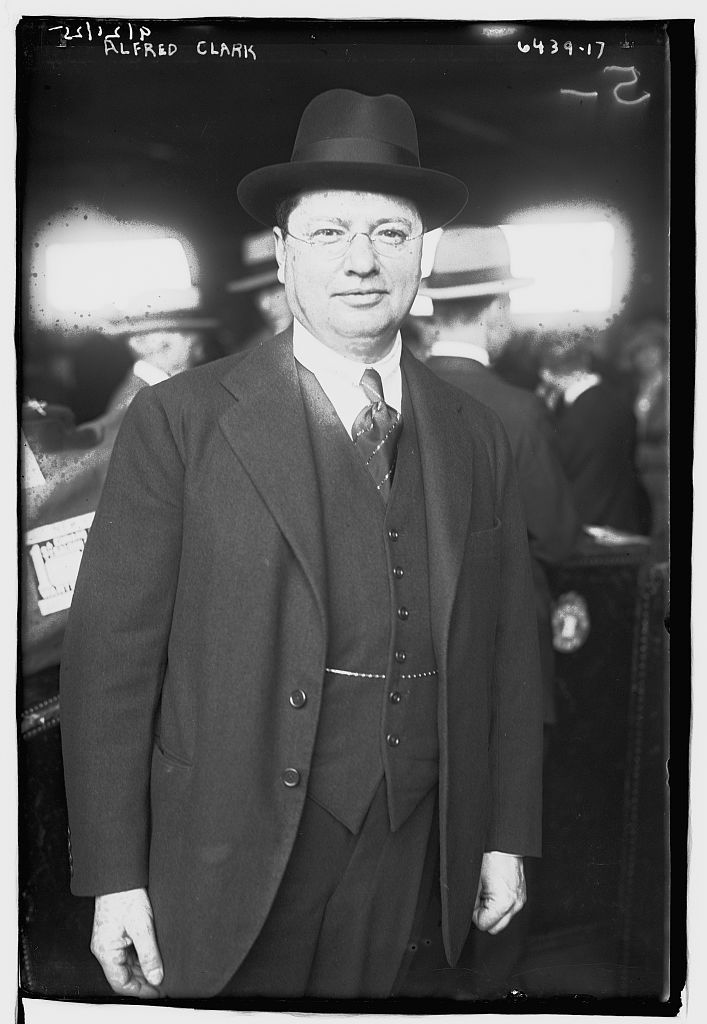
此器最早由英國著名中國陶瓷收藏家阿弗雷德·克拉克(Alfred Clark)與艾薇·克拉克(Ivy Clark)伉儷在20世紀初於中國蒐集。克拉克伉儷是20世紀上半葉最重要的西方中國陶瓷藏家之一,他們的收藏對西方學界理解宋代瓷器(特別是汝、官、哥、鈞、定五大名窯)貢獻極大,許多藏品現存大英博物館與維多利亞與阿爾伯特博物館。
值得注意的是,這件汝窯瓶並非直接由克拉克伉儷捐贈大英博物館,而是於1978年由另一位藏家R. A. A. Holt(全名Ronald A. A. Holt,或稱R.A.A. Holt)正式捐贈給博物館(Registration number 1978,0522.1)。關於Holt的公開資料相對有限,他並非東方陶瓷學會(Oriental Ceramic Society, OCS)的核心知名成員或長期活躍人物,但從捐贈行為判斷,應屬於20世紀中後期英國的中國藝術品收藏圈,極有可能曾從克拉克伉儷或相關渠道取得此器。

汝窯的稀有性與西方早期認知
汝窯是北宋徽宗時期(1100–1125)專為宮廷燒製的頂級官窯,傳世完整器物極少,全世界加起來僅約70–80件,且多為小件盤、碗、洗等,瓶類更為罕見。此件高20公分以上的汝窯瓶尤屬鳳毛麟角。
特別值得一提的是,克拉克伉儷在20世紀初(清涼寺汝窯窯址正式考古發現之前數十年)便能辨識並珍藏此類頂級汝窯器,顯示當時西方資深藏家與學者對中國宋瓷已有極高鑑賞水平與認知深度,這在窯址尚未科學發掘、傳世品極少的情況下,實屬難能可貴,也反映出20世紀早期中西陶瓷交流與收藏史的重要一頁。

Ru Ware Bottle
Object Type: Bottle
Museum number: 1978,0522.1
Description: Bottle, Ru ware, made of blue-green, crackled, glazed stoneware.
Cultures/periods: Northern Song dynasty
Production date: 1086–1125
Production place: Henan province, China (main site: Qingliangsi, Baofeng county)
Dimensions: Height 20.1 cm; foot diameter 6.5 cm; mouth diameter 4.4 cm; max. diameter 11 cm; weight 0.40 kg
Location: Not on display
This elegant Ru ware bottle is covered in a soft sky-blue glaze with characteristic fine crackles. The form features a gently rounded shoulder, slender neck, and slightly flared footring — a classic Northern Song bottle shape that evolved from earlier Tang Buddhist-inspired vessels. The glaze color and texture embody the famous ideal of “the sky after rain, when clouds break apart”.
Provenance and Collection History
The bottle was originally field-collected in China by the renowned British collectors Alfred Clark and Ivy Clark in the early 20th century. The Clarks were among the most important Western collectors and scholars of Chinese ceramics of their time; their collection significantly shaped Western understanding of Song dynasty wares (especially Ru, Guan, Ge, Jun, and Ding). Many of their pieces are now in the British Museum and V&A.
Notably, this particular piece was not donated directly by the Clarks. It entered the British Museum in 1978 as a gift from R. A. A. Holt (donor record: given by R A A Holt). Holt appears to have been a later 20th-century British collector in the Chinese art field, though he is not prominently documented as a central figure in the Oriental Ceramic Society (OCS). He likely acquired the bottle through earlier channels connected to the Clarks or related circles.
Rarity of Ru Ware and Early Western Recognition
Ru ware was produced for only a very short period (roughly 20–40 years) during the late Northern Song, primarily for the imperial court under Emperor Huizong. Surviving complete pieces worldwide number only around 70–80, mostly small dishes, bowls, and washers; tall bottles of this size are exceptionally rare.
Remarkably, the Clarks were able to identify and preserve such an important Ru piece in the early 20th century — decades before the Qingliangsi kiln site was scientifically excavated and confirmed in the 1980s. This demonstrates the extraordinary connoisseurship and advanced knowledge of Song ceramics already present among leading Western collectors at that time, long before modern archaeology provided full confirmation.

北宋汝窯瓶 問答 FAQ
Q1: 這件汝窯瓶為什麼這麼珍貴?
Why is this Ru ware bottle so valuable?
A: 汝窯傳世品極少,全世界僅約70–80件完整器,且多為小件。這件瓶高20公分以上,屬極罕見的大型器型,加上天青釉、細碎開片與完美造型,代表北宋宮廷審美最高峰。
A: Ru ware survives in only about 70–80 complete pieces worldwide, mostly small vessels. This bottle, over 20 cm tall, is exceptionally rare among large forms, with its sky-blue glaze, delicate crackle, and elegant proportions embodying the pinnacle of Northern Song imperial taste.
Q2: 為何20世紀初西方藏家就能收藏汝窯?
How could Western collectors acquire Ru ware in the early 20th century?
A: 當時汝窯窯址尚未發現,但憑藉傳世稀少器物與文獻記載,西方資深藏家(如克拉克伉儷)已能精準辨識汝窯特徵,這顯示早期中西陶瓷研究與收藏的高度成熟。
A: Although the kiln site was unknown then, early Western connoisseurs (such as the Clarks) recognized Ru ware through surviving pieces and historical texts, reflecting advanced knowledge in Chinese ceramics long before modern archaeology.
Q3: R. A. A. Holt 是誰?與東方陶瓷學會(OCS)有關係嗎?
Who is R. A. A. Holt? Was he connected to the Oriental Ceramic Society?
A: Holt 是1978年將此瓶捐贈大英博物館的英國藏家,具體生平公開資料不多。從捐贈行為看,他屬於中國藝術品收藏圈,但並非東方陶瓷學會的核心知名成員。
A: R. A. A. Holt was the British donor who gave this bottle to the British Museum in 1978. Little detailed public information exists about him. He was part of the Chinese art collecting community but does not appear as a prominent or central figure in the Oriental Ceramic Society (OCS).
Q4: 這件瓶與克拉克伉儷的關係是什麼?
What is the connection to Alfred and Ivy Clark?
A: 克拉克伉儷是20世紀初在中國蒐集此瓶的原始收藏者,他們對西方宋瓷研究貢獻巨大,但此瓶後來轉手,至1978年由Holt捐贈博物館。
A: The Clarks were the original collectors who acquired the bottle in China in the early 20th century. Their collection greatly influenced Western study of Song ceramics, though the piece later changed hands before Holt’s donation in 1978.


Comments