
三彩筆記 vol.66 西雅圖藝術博物館:唐代三彩撒藍釉獵犬 - Seattle Art Museum, Sancai Splashed Blue Glaze Earthenware Hound, Tang Dynasty

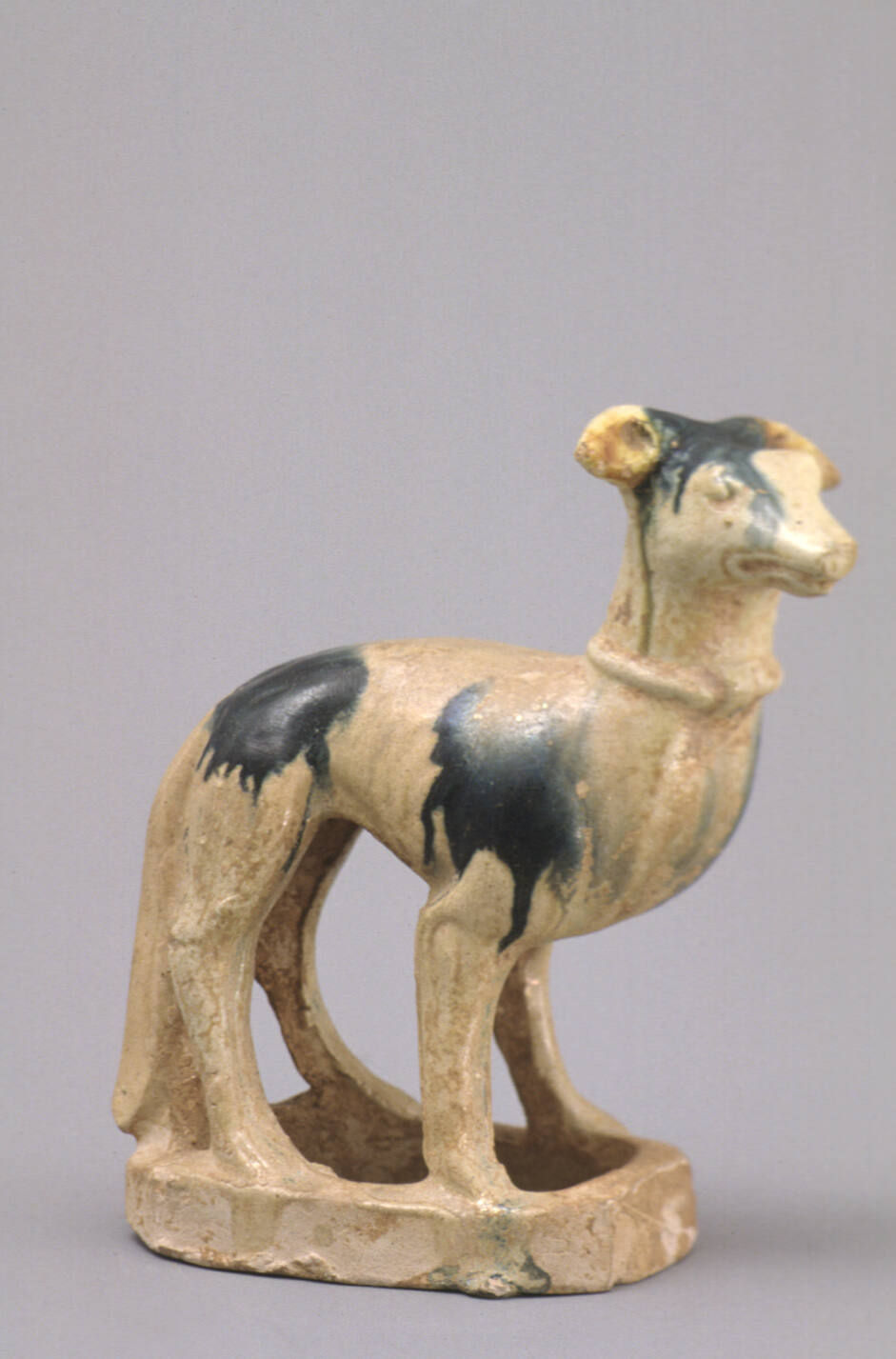
這件唐三彩藍釉獵犬(波斯狗)是Eugene Fuller Memorial Collection舊藏,編號64.76,高約16.8公分。施釉陶製,帶有藍彩。同系列另有一件編號64.75,尺寸相近。唐代三彩中,藍彩(鈷藍)是最高級的標誌。鈷料來自波斯,經絲綢之路進口,價格往往數倍甚至數十倍於黃金,燒成難度極高,因此藍彩器物幾乎只出現在皇室與頂級貴族墓葬。最直接的證據來自武則天長子李弘(652–675)與哀皇后的恭陵:1998年發掘出土一批藍釉三彩器,被視為武則天親自督造或選用的皇家規格。藍彩因此成為「三彩貴藍」的象徵,也是市場價格的重要保證。
這類獵犬多受中亞/波斯細犬(Saluki類型,史籍常稱「波斯犬」)影響,體態修長、四肢勁健,反映唐代宮廷對狩獵犬的喜愛。與漢代圓潤的北方犬(Chow Chow類型)明顯不同。《舊唐書·波斯傳》明確記載「駿犬,今所謂波斯犬也」,唐代墓葬壁畫(如懿德太子墓《架鷂戲犬圖》、章懷太子墓狩獵圖)中亦常見此類細長獵犬形象。


SACA觀察
本件帶藍彩,十分珍貴。16.8公分屬中型尺寸,並不算小。這類獨立獵犬俑對比馬與駱駝,存世量少得多,實際上是非常低估的價格。岡田美術館即將上拍的「狗王」(唐褐釉犬,高約25.4公分)尺寸更大、傳承更顯赫(細川家舊藏),估價15–30萬港元,極有機會大幅超出。本件作為Eugene Fuller Memorial Collection的早期標準件,帶藍彩的細犬形象本身已具備相當稀缺性與價值。
關於藏家
Eugene Fuller Memorial Collection以Eugene Fuller(1858–1930)命名。真正推動收藏的是其子Richard E. Fuller(1897–1976)與母親Margaret MacTavish Fuller。Richard於1933年創立西雅圖藝術博物館並擔任館長四十年,專注亞洲藝術。
FAQ
Q1:為什麼藍彩特別重要?
唐代鈷料進口自波斯,價格遠超黃金,燒成困難,幾乎只用於皇室與頂級貴族。李弘恭陵出土的藍釉器物是最直接的證據。帶藍彩即意味著更高規格與市場價值。
Q2:這是波斯犬嗎?
較接近史籍所稱的「波斯犬」(Saluki類型細犬)。唐代獵犬多受中亞/波斯影響,體態修長,與漢代敦實北方犬不同。《舊唐書》等明確記載波斯進貢駿犬。
Q3:與岡田「狗王」如何比較?
岡田美術館那件高約25.4公分,本件約16.8公分。狗王傳承更顯赫,但本件帶藍彩,且中型尺寸在獨立獵犬中已屬可觀。
Q4:市場情況如何?
唐代獨立獵犬俑存世量遠少於馬與駱駝,目前價格明顯低估。帶藍彩者因稀缺性而更具潛力;大型頂級例子(如狗王)若創出高價,可能帶動整體關注。
This glazed earthenware hound is from the Eugene Fuller Memorial Collection (accession 64.76). Height approximately 16.8 cm. It carries blue glaze. A companion piece (64.75) of similar size exists.
In Tang sancai, cobalt blue is the highest marker of quality. The cobalt was imported from Persia via the Silk Road and often cost several times—or even dozens of times—the price of gold. Firing was extremely difficult, so blue-glazed pieces were almost exclusively reserved for imperial and top aristocratic tombs. The strongest evidence comes from the Gongling Mausoleum of Li Hong (652–675, eldest son of Wu Zetian) and his consort, the Empress Ai: excavations in 1998 yielded a group of blue-glazed sancai objects regarded as imperial commissions ordered or selected by Wu Zetian herself. Blue thus became the symbol of “sancai values blue most” and a key guarantee of market value.
These hounds largely reflect Central Asian / Persian sighthound (Saluki-type) influence—slender bodies and long limbs—showing the Tang court’s taste for hunting dogs. They differ clearly from the rounded northern dogs (Chow Chow type) of the Han. The Old Tang History (Jiu Tangshu, Persia section) explicitly records “excellent hounds, now called Persian dogs.” Tang tomb murals (such as the “Falconer and Dog” scene in the tomb of Prince Yide and the hunting scenes in the tomb of Prince Zhanghuai) also frequently depict this slender hound type.
SACA Observation
The blue glaze on this piece makes it very precious. At 16.8 cm it is a mid-size example, not small. Independent Tang hound figures are far rarer than horses or camels and are currently significantly undervalued. The Okada Museum “Dog King” (Tang amber-glazed hound, height approx. 25.4 cm) is larger and carries more illustrious provenance (former Hosokawa collection); its estimate of HK$150,000–300,000 has strong potential to be substantially exceeded. This Seattle example, as an early standard piece from the Eugene Fuller Memorial Collection with blue glaze, already possesses considerable scarcity and value.
About the Collector
The Eugene Fuller Memorial Collection is named after Eugene Fuller (1858–1930). The actual builders were his son Dr. Richard E. Fuller (1897–1976) and mother Margaret MacTavish Fuller. Richard founded the Seattle Art Museum in 1933 and served as its unpaid director for forty years, focusing on Asian art.
FAQ
Q1: Why is blue glaze so important?
Tang cobalt was imported from Persia and far more expensive than gold. Firing was difficult, so it was reserved for imperial and top aristocratic use. The blue-glazed objects from Li Hong’s Gongling Mausoleum provide the clearest evidence. Blue glaze signals higher status and stronger market value.
Q2: Is this a Persian dog?
It is closest to the “Persian dog” (Saluki-type sighthound) recorded in historical texts. Tang hunting hounds largely reflect Central Asian / Persian influence and differ from the sturdy northern dogs of the Han. The Old Tang History explicitly records Persian tribute of excellent hounds.
Q3: How does it compare with the Okada “Dog King”?
The Okada example is approximately 25.4 cm high; this piece is about 16.8 cm. The Dog King has more illustrious provenance, yet the blue glaze and mid-size scale of the present example already give it substantial value among independent hounds.
Q4: How are these regarded on the market?
Independent Tang hound figures are far rarer than horses or camels and remain significantly undervalued. Those with blue glaze have greater potential because of scarcity; a strong result for a top large example such as the Dog King could raise overall interest in the category.
館藏資料
618–906
China
Earthenware with glaze
6 5/8 × 3 in. (16.83 × 7.62 cm), L.: 6 1/4 in.
Eugene Fuller Memorial Collection, 64.76
參考文獻 / References
Seattle Art Museum. Hound. Eugene Fuller Memorial Collection, accession no. 64.76.
SACA. 三彩筆記 vol.48 洛陽博物館:唐三彩純藍釉馬(李弘恭陵藍釉背景).
SACA. 拍賣筆記 vol.398 蘇富比香港2026:唐三彩狗王,岡田博物館.
SACA. 三彩筆記 vol.33 大都會博物館:唐三彩綠釉陶犬,對比岡田美術館唐三彩犬.
SACA. 拍賣筆記 vol.245 邦瀚斯倫敦:覺是軒,唐三彩黃釉細犬.
《舊唐書》卷一九八〈西戎·波斯傳〉:「又多白馬、駿犬……駿犬,今所謂波斯犬也。」
Metropolitan Museum of Art. Dog, Tang dynasty, acc. no. 29.18(對照件).
8. 懿德太子墓《架鷂戲犬圖》、章懷太子墓狩獵圖(唐代波斯犬形象重要圖像證據)。


Comments