
茶入筆記 vol.58 高山寺傳來:漢作柿蒂茶入,榮西禪師、明惠上人 - Kosanji Temple, Karamono, Ayanokakibeta (Kakinoheta) Chaire, Heirloom by Myoe Shonin


漢作柿蒂茶入(高山寺傳來)
榮西禪師、明惠上人與日本茶史的聖物
南宋時代 口径6.2cm 高4.5cm 底径2.8cm
京都高山寺所藏的南宋時代「漢作柿蒂茶入」(又稱漢柿蔕茶入或あやのかきべたちゃいれ),是一件極具歷史意義的中國陶瓷茶器。
其造型低矮圓潤,宛如柿子蒂,故得此名。據寺傳與相關史料記載,此茶入是茶祖榮西禪師自中國帶回茶種子後,盛裝於內並贈予明惠上人者。明惠上人將茶種播種於高山寺所在的栂尾山中,開創了日本最古老的茶園——栂尾茶。此茶入因此被視為日本茶道起源的聖物,象徵茶文化自中國傳入日本並生根發展的關鍵一環。
日本茶道的傳承,可追溯至榮西禪師在浙江天台山一帶草庵修學期間,接觸到當地寺院僧人自種自用的草庵茶。榮西歸國後,依照中國寺院茶的原貌,將茶種子引入日本並加以復原種植,從而奠定了日本茶文化的基礎。根據日本茶道相關文獻的記載,唐物茶入在中國原本多用以盛放藥材、種子或其他貴重物品。這一傳統,與榮西禪師將茶種子盛裝於漢作柿蒂茶入中贈予明惠上人的史實,完全相互吻合。 因此,在後世日本茶道發展中,濃茶所使用的容器多為洪塘窯系或其他中國傳來的唐物茶入,便顯得十分自然而合理。這或許是解釋唐物茶入在日本茶道中地位的重要線索之一。
The heirloom of the Japanese Way of Tea can be traced back to the time when Eisai Zenji studied at a thatched hermitage (ca’an) in the Tiantai Mountains of Zhejiang Province, China. There, he encountered the “hermitage tea” cultivated and used by local temple monks.
Upon returning to Japan, Eisai faithfully reproduced this Chinese monastic tea tradition by introducing the tea seeds and cultivating them in Japan, thereby laying the foundation for Japanese tea culture.According to historical records in Japanese tea literature, Chinese imported tea caddies (karamono chaire) were originally used in China to store medicines, seeds, or other precious substances.
This practice aligns perfectly with the well-documented fact that Eisai Zenji placed the tea seeds he brought from China inside the famous Karamono Kakinoheta Chaire (the Southern Song persimmon-calxy caddy) and presented it to Myōe Shōnin.Consequently, it is both natural and logical that, in the subsequent development of the Japanese tea ceremony, containers for thick tea (koicha) were frequently Chinese tea caddies — particularly those from the Hongtang kiln tradition or other high-quality karamono pieces. This may well be one of the most reasonable explanations for the prominent role of Chinese imported caddies in chanoyu.
參考類似命名的柿之蔕茶碗:
柿茶入:

高山寺介紹
高山寺(又稱栂尾山高山寺、Toganōsan Kōsan-ji),位於京都市右京區栂尾,是一座歷史悠久的真言宗(御室派)古刹。其創建可追溯至奈良時代(774年),原為神護寺的別院。建永元年(1206年),明惠上人獲得後鳥羽上皇御賜寺域,正式中興開山,將其改名為高山寺。此後,高山寺成為明惠上人弘揚華嚴與真言教學的重要道場,以嚴格的修行聞名。寺內珍藏國寶級文物,包括《鳥獸人物戯畫》(國寶)等一萬餘件文化財,並於1994年被列入「古都京都的文化財」世界遺產。寺內至今仍保留「日本最古之茶園」的石碑與小型茶園,每年中旬舉行茶摘與獻茶式,延續千年茶史。
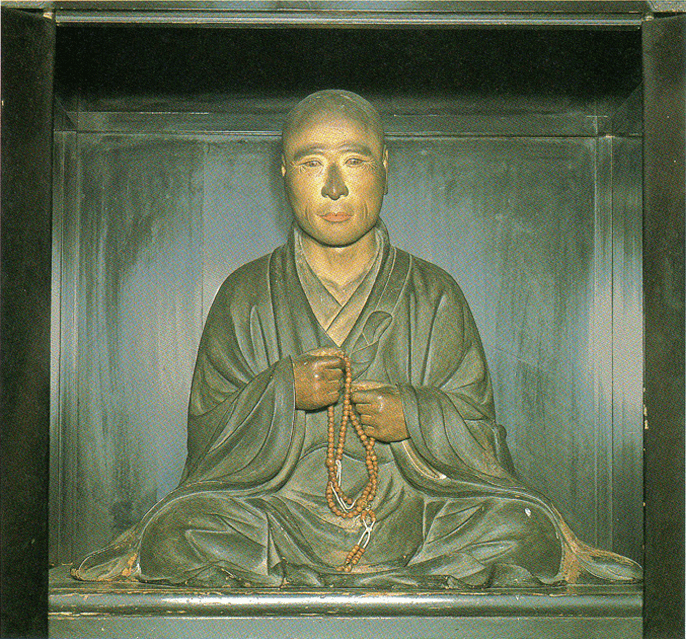
明惠上人
明惠上人(1173–1232),諱高弁(Kōben),是鎌倉時代著名的華嚴・真言僧人,被尊為高山寺中興開山祖師。他一生追求嚴謹的山林修行,曾於樹上坐禪(樹上座禅像為其著名肖像),並致力於佛典研究與寺院再興。明惠上人不僅復興高山寺,更積極推廣茶文化。他認為茶能「除睡眠之患」,有助僧眾維持修行專注,因此大力倡導飲茶。據弟子所撰《栂尾明惠上人傳記》記載,他從榮西禪師處獲得茶種後,親自於寺域內播種栽培,開創日本最早的茶園。
榮西禪師
榮西禪師(1141–1215),又稱榮西或永西,是日本臨濟宗的開祖,被尊為「茶祖」。他曾兩度入宋(1168年與1187–1191年),不僅帶回臨濟禪法,更於1191年攜回茶種子與中國茶文化。歸國後,榮西撰寫日本第一部茶書《喫茶養生記》,詳述茶的藥用功效與栽培方法,強調茶能養生、醒腦、除病痛。他將茶種分贈各方,其中最著名的即是贈予明惠上人的這件漢作柿蒂茶入。榮西的貢獻奠定了日本茶道與禪茶文化的基礎。

日本最古茶園與明惠上人種植
日本最古的茶園位於高山寺對岸的清滝川深瀬三本木(後世茶園則移至原十無盡院舊址)。明惠上人將榮西禪師透過柿蒂茶入送來的茶種(傳說為三粒或五粒)播種於此,成功栽培出茶樹。當時栂尾茶被稱為「本茶」(真正之茶),品質遠高於其他地區的「非茶」,並成為中世鬥茶遊戲的基準。中世以來,栂尾茶不僅供僧眾飲用,更被視為日本茶文化的發祥地。其種苗後來傳至宇治,開創宇治茶的繁榮傳統。
每年五月中旬,高山寺仍舉行茶摘;十一月八日則有「獻茶式」,向明惠上人獻上新茶,感謝其開創之功。此茶入與茶園的傳承,不僅是歷史傳說,更是日本茶道從中國汲取養分後,在禪林中開花結果的活生生見證。
Karamono Kakinoheta Chaire (Persimmon Calyx Tea Caddy) from Kōzan-ji
— Heirloom Associated with Eisai Zenji and Myōe Shōnin
The Southern Song dynasty Chinese ceramic “Karamono Kakinoheta Chaire” (also known as the Chinese Persimmon Calyx Tea Caddy or Aya no Kakibeta Chaire), preserved at Kōzan-ji Temple in Kyoto, is an object of profound historical significance. Its low, rounded form closely resembles the calyx of a persimmon fruit. According to temple tradition and historical records, this caddy was used by the tea patriarch Eisai Zenji to carry tea seeds he had brought back from China; he then presented it to Myōe Shōnin. Myōe planted the seeds in the mountains of Togano-o surrounding Kōzan-ji, thereby establishing Japan’s oldest tea garden — Togano-o tea. This caddy is thus revered as a sacred relic in the history of Japanese tea, symbolizing the pivotal moment when Chinese tea culture was transmitted to Japan and took root.
Introduction to Kōzan-ji Temple
Kōzan-ji (also called Toganōsan Kōsan-ji or Toganō-dera), located in Togano-o, Ukyō Ward, Kyoto, is an ancient Shingon Buddhist temple (Omuro sect). Its origins trace back to the Nara period (founded in 774), originally as a branch of Jingo-ji. In 1206 (Ken’ei 1), Myōe Shōnin received imperial permission from Emperor Go-Toba to restore and expand the temple, renaming it Kōzan-ji and establishing it as his primary center for Kegon and Shingon teachings. Renowned for its strict monastic discipline, the temple houses over 10,000 cultural properties, including the National Treasure Chōjū-jinbutsu-giga(Caricatures of Birds and Animals). In 1994 it was inscribed as part of the UNESCO World Heritage Site “Historic Monuments of Ancient Kyoto.” The temple still maintains a small tea garden marked by a stone monument inscribed “Japan’s Oldest Tea Garden,” with annual tea harvesting and a Kencha-shiki (tea-offering ceremony) that perpetuate its thousand-year tea legacy.
Introduction to Myōe Shōnin
Myōe Shōnin (1173–1232), also known as Myōe Kōben, was a prominent Kamakura-period monk and scholar of Kegon and Shingon Buddhism. He is revered as the restorer and founding abbot of Kōzan-ji. Renowned for his rigorous ascetic practices — including the famous “tree-sitting meditation” depicted in his portrait — Myōe dedicated himself to scriptural study and temple revival. Beyond religious scholarship, he actively promoted tea culture, believing that tea could “dispel drowsiness” and aid monks in maintaining focus during meditation. According to the biography compiled by his disciples, Togano Myōe Shōnin Denki, he received tea seeds from Eisai Zenji and personally sowed them on the temple grounds, founding Japan’s earliest tea plantation.
Introduction to Eisai Zenji
Eisai Zenji (1141–1215), also known as Yōsai, is the founder of the Rinzai Zen school in Japan and is honored as the “Tea Patriarch” (Chaso). He traveled to China twice (1168 and 1187–1191), returning not only with Zen teachings but also with tea seeds and knowledge of tea cultivation in 1191. After returning to Japan, Eisai authored Kissa Yōjōki (Record of Drinking Tea for Nourishing Life), Japan’s first book on tea, which details its medicinal benefits, cultivation methods, and role in health and alertness. He distributed the tea seeds he had brought back, most famously presenting them to Myōe Shōnin inside this Karamono Kakinoheta Chaire. Eisai’s efforts laid the foundation for Japanese tea culture and the integration of tea with Zen practice.
Japan’s Oldest Tea Garden and Myōe’s Planting
Japan’s oldest tea garden is located at Fukase Sanbonki (深瀬三本木) on the opposite bank of the Kiyotaki River from Kōzan-ji (the present garden occupies the former site of the Jūmujin-in monastic quarters). Myōe Shōnin planted the tea seeds — said to number three or five — that Eisai had sent in the persimmon-calxy caddy. The resulting Togano-o tea was esteemed as “Honcha” (true or superior tea), vastly superior to other regional teas labeled “Hicha” (non-tea). In the medieval period, Togano-o tea became the standard for tea-tasting contests (tōcha). The seeds and cultivation techniques later spread to Uji, laying the groundwork for the flourishing Uji tea tradition that continues today.
To this day, Kōzan-ji holds a tea-picking event in mid-May and an annual Kencha-shiki offering ceremony on November 8 to honor Myōe Shōnin with the new harvest. The caddy and the tea garden together stand as living testimony to how Japanese tea culture absorbed Chinese influences and blossomed within the Zen monastic tradition.


Comments