
元代筆記 vol.05 藤田美術館:元代龍泉窯飛青瓷匜杯(飛青磁片口) - Fujita Museum, Tobiseiji Celadon Spouted Pitcher, Yuan Dynasty

Updated: Aug 10, 2025

飛青磁片口 / 龍泉窯飛青瓷匜杯
中國・元代 14世紀
藤田美術館 藏
此為浙江省龍泉窯所燒製之青瓷器。器表施以含鐵顏料,形成黑褐色的斑點紋飾,該類帶有鐵斑的青瓷在日本被稱為「飛青磁」。
片口是一種帶有注口的器形,原本作為量取或轉注液體之用。在日本茶之湯文化中,有時亦被視為會席料理中的食器使用。此外,自古以來也常作為酒器使用,至今在日本仍有人將其代替德利使用。

Tobiseiji Celadon Spouted Pitcher
China, Yuan Dynasty, 14th century
Collection of the Fujita Museum
This is a celadon vessel produced at the Longquan kilns in Zhejiang Province. The surface is decorated with dark brown spots created using an iron-rich pigment. In Japan, celadons with such spotted decoration are referred to as tobiseiji("flying celadon").
The katakuchi (spouted pitcher) was originally used for measuring or transferring liquids between vessels. In the context of the Japanese chanoyu (tea ceremony), such vessels were occasionally adopted as tableware for kaiseki cuisine. Traditionally used also as a sake vessel, it continues to serve as a substitute for the tokkuri (sake flask) in modern Japan.
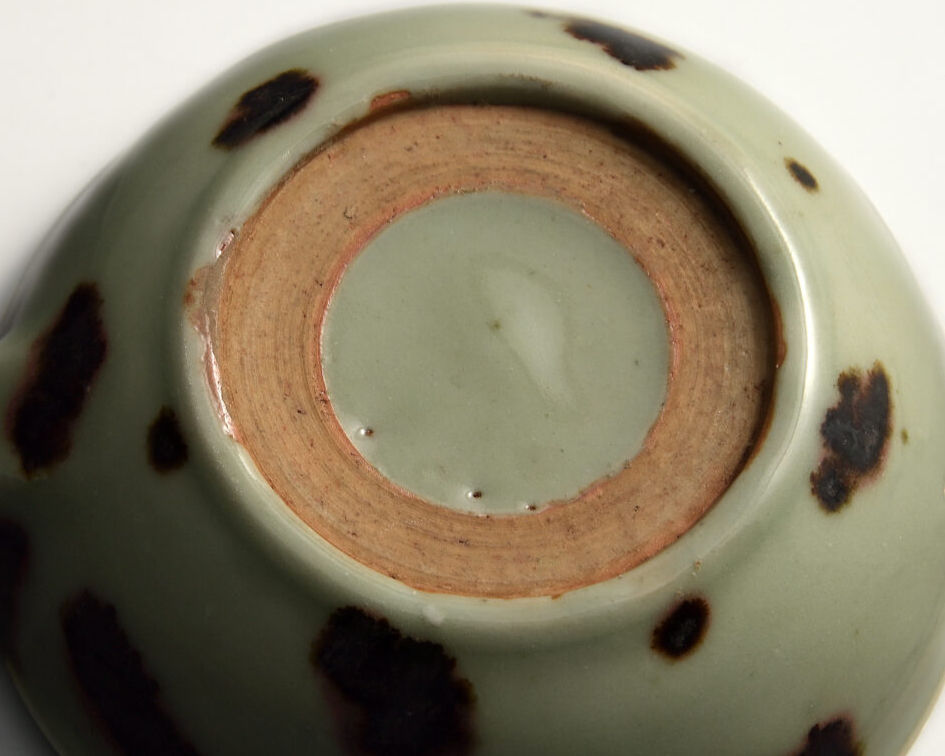

飛青磁片口
とびせいじかたくち
Tobiseiji Celadon Spouted Pitcher
中国・元時代 14世紀
浙江省(せっこうしょう)の龍泉窯(りゅうせんよう)で作られた青磁です。鉄を含んだ顔料で黒褐色の斑紋がつけられたものを日本では飛青磁と呼びます。
片口は計量などのために液体を入れて別の器に移す際に用いる器ですが、茶の湯では会席の食器とされることもありました。また、古くから酒器として用いられることも多く、現在の日本でも徳利の代わりに用いられます。


Comments