
拍賣筆記 vol.437 蘇富比香港2026:金代黑釉白覆輪天目茶盌,岡田博物館 - Sotheby’s Hong Kong 2026, A Black-Glazed White-Rimmed Tenmoku Tea Bowl, Jin Dynasty
- SACA

- 2 days ago
- 6 min read

金代黑釉白覆輪天目茶盌,口徑13.4公分,配日本二重箱。來源壺中居,東京。蘇富比香港「岡田美術館藏亞洲藝術珍品(二)」專場,2026年9月4日,拍品2161,估價80,000–160,000港元。
「白覆輪」是日本對這類黑釉、口沿施白的專稱。做法是先施黑釉,再把口沿釉層刮去,補上一道白化粧或白釉,模擬定窯等高檔器常見的金屬扣邊。華北磁州窯系、山西懷仁窯都燒過。京都國立博物館、東京國立博物館均有同類型藏品;東京國博那件還是壺中居創始人廣田松繁捐贈,口徑13.2公分,與本件尺度接近。
SACA觀察
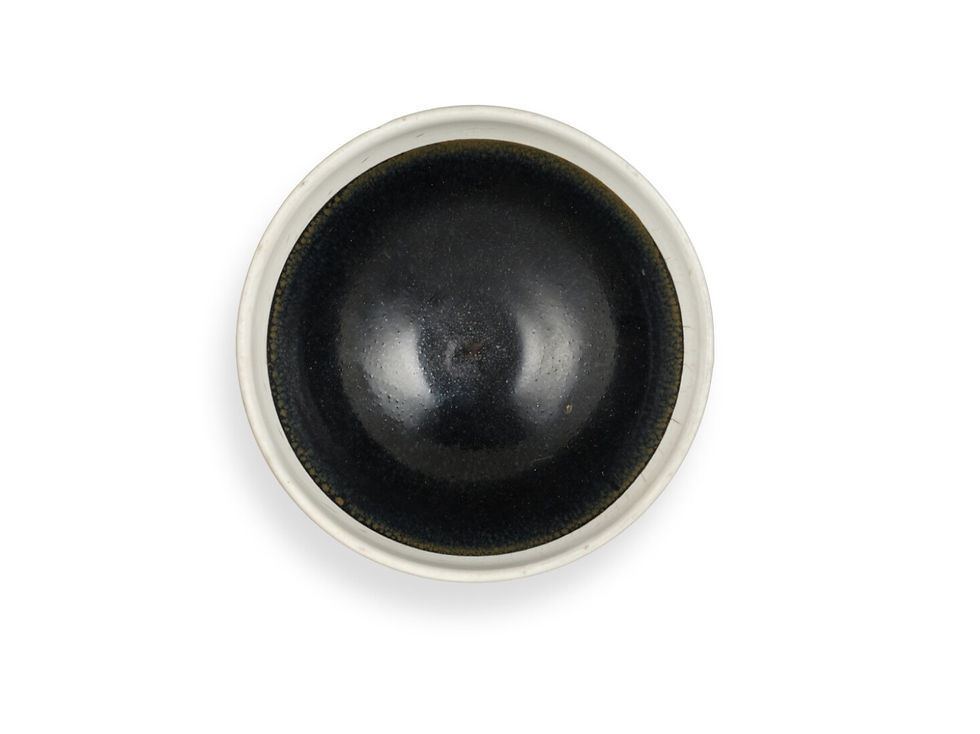
此件北方白覆輪茶碗並非藏家追逐的油滴名品,圖錄中也未標注油滴或兔毫,僅口沿處略見些許油滴痕跡,碗心則呈現黑釉,宛如一片黑洞。雖傳統指標並不亮眼,但不代表缺乏美感。若以茶人的角度去欣賞,此類似如黑洞和星空的邊界,或許本身也是一種意境。所以本品真正值得關注的,是白覆輪的白邊與黑釉之間所形成的對比美感——白覆輪之上又帶有類似開片的豎向紋理,別有一番意趣,反而使整體白覆輪呈現出一種輕薄之感。此外,13.4公分的口徑亦屬偏大:市場上常見的白覆輪油滴盞多在11公分上下,本件顯然屬於大尺寸之作。
來源也是本件的重點所在。壺中居是日本橋的老字號古董商,岡田美術館則至少在箱根一帶站穩腳跟,並非無名小館。同館上一季曾釋出一件金代黑釉油滴茶盞(同樣出自壺中居舊藏,口徑10.8公分),估價20–40萬,最終以107.95萬港元成交。反觀本件估價僅8–16萬,明顯是按「有白覆輪、無油滴結晶」的邏輯定價。然而白覆輪在日本茶道具體系中本屬獨立品類,實際傳世使用者並不多見,可謂北方茶盞的代表之作;如此估價偏低,恰恰反映出市場對「北方黑釉、非建窯、非油滴」一類器物,敏感度仍顯不足。一旦相關信息被市場充分消化,這類擁有館藏級來源、尺寸又足夠大的白覆輪作品,理應不會長期停留在這個價位。只是茶道美學觀念真正滲透進市場審美,恐怕還需要一些時間。另外,本場的諸多藏品或有更早來源,但壺中居和岡田博物館為了商業秘密和經銷貨源保密的緣故,並未透露之前傳承。若能發掘出此前的出版或者茶會的參加紀錄,也能帶來溢價。

關於來源
壺中居1924年由廣田松繁、西山保創於東京,1948年改組株式會社,長期經營中日韓古陶瓷。岡田美術館為岡田和生在箱根所建私設美術館。2025年11月首場「岡田美術館藏亞洲藝術珍品」125件全數成交;本件屬2026年9月第二場。
拍品資料 / Lot Data
中文
名稱:金 黑釉白覆輪天目茶盌
年代:金代(1115–1234)
尺寸:13.4 cm
配件:日本二重箱
估價:80,000–160,000 港元
來源:壺中居,東京
專場:Masterpieces of Asian Art from the Okada Museum of Art II
拍賣:蘇富比香港,2026年9月4日
拍品號:2161
FAQ
Q1:什麼是白覆輪?
日本茶道用語。指黑釉茶盌口沿特意做成一圈白色,模仿金屬扣邊。工藝是刮去口沿黑釉再施白釉,不是口沿自然「出筋」。
Q2:和建窯天目是不是一回事?
不是。建窯在福建,胎骨鐵黑;本件是北方窯口(磁州窯系或山西一帶),胎色偏淺,黑釉相對薄。日本把這類黑釉茶盌統稱「天目」,並不代表都是建盞。
Q3:為什麼估價比同館油滴盞低那麼多?
油滴是結晶效果,市場辨識度高。白覆輪是口沿工藝,單獨出現時價格通常低一檔。上季岡田油滴盞成交107.95萬,本件估8–16萬,差的是釉面效果,不是來源。
Q4:13.4公分算大嗎?
算中大型。佳士得近年幾件白覆輪油滴多在10.8–11.8公分。京都國博、東京國博的白覆輪對比例子也在13公分上下,本件尺度對得上館藏級。
A black-glazed white-rimmed tenmoku tea bowl, Jin dynasty. Diameter 13.4 cm, Japanese double wood box. Provenance: Kochukyo Co., Ltd, Tokyo. Sotheby’s Hong Kong, Masterpieces of Asian Art from the Okada Museum of Art II, 4 September 2026, lot 2161. Estimate HK$80,000–160,000.
“White-rimmed” (shirofukurin / 白覆輪) is the Japanese term for black-glazed bowls whose mouth is dressed in white after the black glaze has been scraped away at the lip. The device imitates the metal bands often fitted to elite wares such as Ding. Northern kilns of Cizhou type and the Huairen kilns in Shanxi both produced the type. Comparable examples are in the Kyoto National Museum and the Tokyo National Museum; the TNM bowl was donated by Hirota Matsushige, founder of Kochukyo, and measures 13.2 cm—close to the present piece.
SACA Observation
This piece is not a composite masterwork combining oil-spot glaze with a white rim (shirofukurin); the catalogue itself makes no mention of oil-spot (yuteki) or hare's-fur (tuhao) patterning. Only faint traces of oil-spot appear near the rim, while the interior of the bowl is covered in solid black glaze, resembling a black hole. What truly deserves attention here is the aesthetic contrast between the white rim and the black glaze — the white rim itself bears fine vertical striations reminiscent of crackle patterning, adding a distinctive charm and lending the whole rim a delicately thin appearance. Equally notable is its mouth diameter of 13.4 cm, which is on the larger side: white-rimmed oil-spot bowls typically seen on the market run around 11 cm, making this piece a genuinely large example of its type.
Provenance is the crux of the matter here. Kochukyo is a long-established antique dealer in Nihonbashi, and the Okada Museum has secured a solid reputation, at least within the Hakone area — it is by no means an obscure institution. In the museum's previous season, a Jin-dynasty black-glazed oil-spot tea bowl (also formerly from the Kochukyo collection, 10.8 cm in diameter) was estimated at HK$200,000–400,000 and ultimately sold for HK$1,079,500. By comparison, this piece carries an estimate of only HK$80,000–160,000 — clearly priced under the logic of "has a white rim, but lacks oil-spot crystallization." Yet within the Japanese tea-ceremony utensil system, the white-rimmed bowl constitutes its own distinct category, with relatively few surviving examples in actual use; it stands as a representative type among northern tea bowls. Such a low estimate reflects the market's continued insensitivity toward pieces that are "northern black glaze, non-Jian kiln, non-oil-spot." Once the relevant information is properly absorbed by the market, a white-rimmed piece with museum-grade provenance and generous proportions like this one should not remain stuck at this price level for long. It will simply take time for the aesthetic sensibility of the tea ceremony to fully permeate market taste.
About the source
Kochukyo was founded in Tokyo in 1924 by Hirota Matsushige and Nishiyama Tamotsu, incorporated in 1948, and has long dealt in Chinese, Korean and Japanese ceramics. The Okada Museum of Art in Hakone was built by Kazuo Okada. The first Sotheby’s sale of its holdings (November 2025) sold all 125 lots; this bowl belongs to the second sale in September 2026.
FAQ
Q1: What is a white rim (shirofukurin)?
A Japanese tea-ceremony term. The black glaze is scraped from the mouth and replaced with a band of white slip or glaze, imitating a metal mount. It is not a naturally thinning rim.
Q2: Is this Jian ware?
No. Jian bowls have a dark iron body and were made in Fujian. This is a northern product (Cizhou-type or Shanxi), with a lighter body and a thinner black glaze. Japanese usage of “tenmoku” covers black-glazed tea bowls in general.
Q3: Why is the estimate so much lower than the Okada oil-spot bowl?
Oil-spot crystallization is immediately readable on the market. A white rim alone sits one tier down. Last season’s Okada oil-spot bowl made HK$1,079,500; this estimate of HK$80,000–160,000 reflects glaze effect, not provenance.
Q4: Is 13.4 cm large?
Yes, for the type. Recent Christie’s white-rimmed oil-spot bowls measure 10.8–11.8 cm. Museum comparanda in Kyoto and Tokyo are around 13 cm. This example matches that scale.
English
Title: A black-glazed white-rimmed tenmoku tea bowl, Jin dynasty
Date: Jin dynasty (1115–1234)
Dimensions: 13.4 cm
Accessories: Japanese double wood box
Estimate: HK$80,000–160,000
Provenance: Kochukyo Co., Ltd, Tokyo
Sale: Masterpieces of Asian Art from the Okada Museum of Art II
Auction: Sotheby’s Hong Kong, 4 September 2026
Lot: 2161
參考文獻 / References
同類館藏
東京國立博物館《白覆輪天目》,金,口徑13.2 cm,廣田松繁(壺中居)捐贈。
京都國立博物館《黒釉白覆輪碗(白縁天目)》,磁州窯系,口徑13.7 cm。
拍賣實例(蘇富比、佳士得)
3. 蘇富比香港,2025年11月22日,岡田美術館專場
金代黑釉油滴茶盞,口徑10.8 cm,壺中居舊藏。
估價200,000–400,000港元,成交1,079,500港元。
4. 佳士得香港,2024年11月29日,拍品1326
北宋至金 白覆輪油滴茶盞,口徑10.8 cm。
估價300,000–500,000港元,成交819,000港元。
5. 佳士得紐約,2025年3月21日,拍品1031
宋至金 白覆輪油滴茶盞,口徑11 cm。
成交81,900美元。
6. 佳士得香港
金代懷仁窯白覆輪油滴茶盞,口徑11.8 cm,日本木箱。
學術
7. Robert D. Mowry, Hare’s Fur, Tortoiseshell, and Partridge Feathers: Chinese Brown- and Black-Glazed Ceramics, 400–1400, Harvard University Art Museums, 1996.
8. 大阪市立東洋陶瓷美術館編,《天目—中國黑釉の美》,中央公論美術出版,2020。
9. 壺中居沿革:https://kochukyo.jp/about/


Comments