
拍賣筆記 vol.411 蘇富比香港2026:1062.4萬港元售出,南宋吉州窰剪紙貼花鳳紋天目茶盞,平瀨露香、傳德川家 - Sotheby’s 2026, Okada Sales Part 2, A Jizhou 'Papercut' 'Phoenix' Tenmoku Bowl, Southern Song Dynasty

Updated: Sep 4
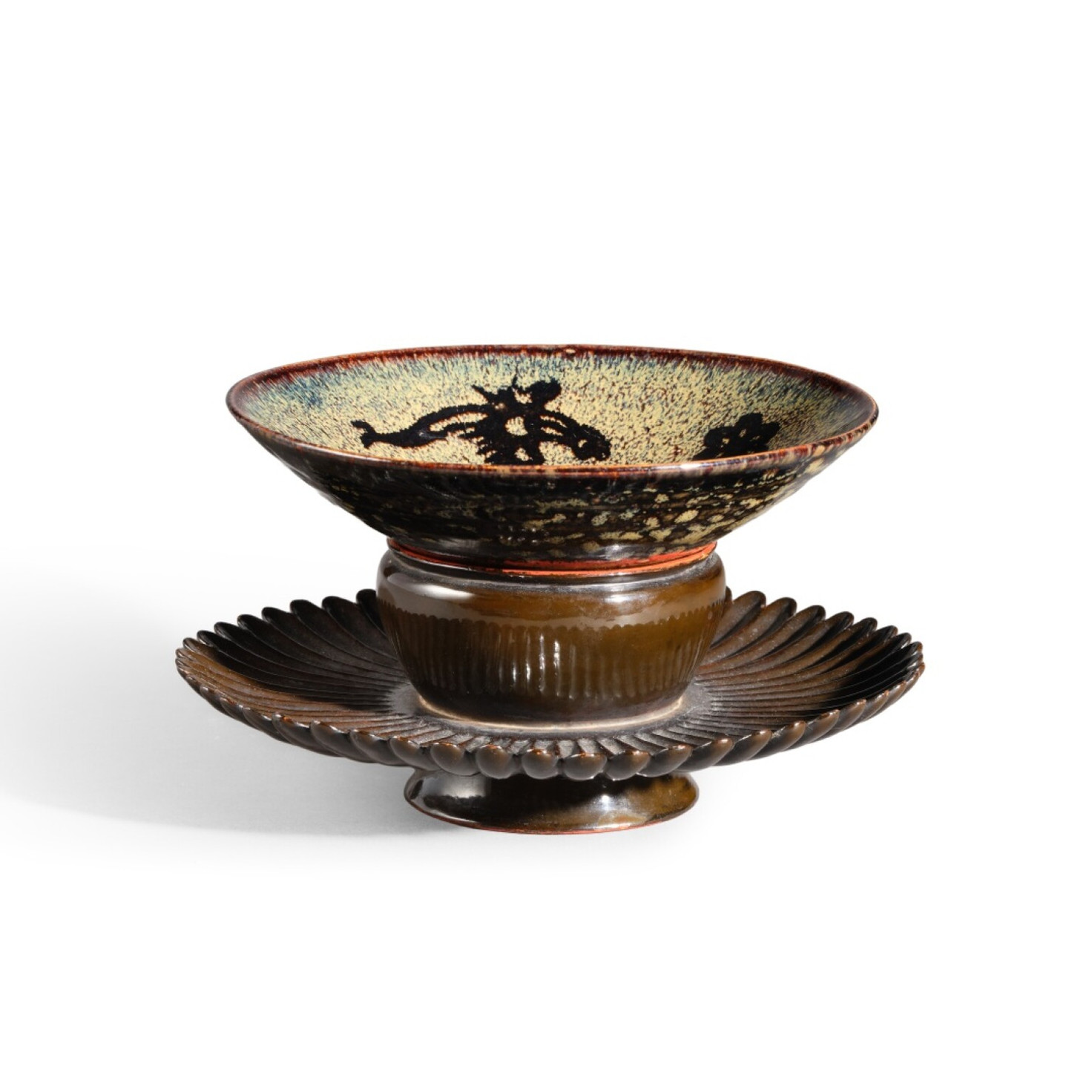
SACA拍場(2026.09.04):電話爭奪,chinyi,830萬落槌。號牌:6565
吉州窯完整器本已極為稀少,而具備學界共識之傳世品,則更屬鳳毛麟角。本品據記載原為平瀨露香舊藏,其可考傳承下限可追溯至1908年。德川綱吉之來源,則僅依箱書題跋為據,尚需更多佐證;若題跋確為松平不昧親筆,則其價值自當倍增。松平不昧《雲州藏帳》若有相關記載,仍惜無圖像可資對照,然已為後續研究提供可貴起點。
近年來,傳承造假之風充斥市場,不法商販更藉印刷偽圖錄以虛構來歷。一時間,託名小堀遠州、松平不昧之「名物」比比皆是,無疑嚴重衝擊真正擁有可靠傳承之佳器。此外,茶道具流散於非茶道修習者之手,究竟是福是禍,亦值得重新審視。此次成套器物以上拍形式公開,且傳承相對可靠,實為藏家與學者提供了難得的觀摩與實戰機會。未來,傳世品及其附屬品真偽之考證,勢必成為此一領域的重中之重。
值得注意的是,雲州藏帳中並沒有這件器物的記載,編號27的一件玳玻盞指的是國寶散花天目茶碗。參見:茶碗筆記 vol.05 相國寺:國寶散花天目茶碗,南宋吉州窯、松平不昧、萬野美術館舊藏 - Shokoku-ji, National Treasure Jizhou Tenmoku Chawan, Fumai, ex Manno Museum Collection
根據現有主要類本及大正時期相關記錄,本品難以確認為松平不昧之正式收藏。箱書是否確為不昧親筆,仍有待進一步書跡比對與旁證研究。筆者查閱《大正名器鑑》第六編玳皮盞一類(自75頁起),亦未見此碗蹤跡;而大正年間松平家之代表人物為松平直亮,當時家中並無此器之記載,更可佐證其並非松平家舊藏。
若松平不昧之收藏尚且無法確立,則德川綱吉來源之箱書可信度自亦隨之大幅降低。然而,本品整體傳世狀態明確,自然光下可見通體彩光,器物本身年代以及傳世品身分並無爭議,平瀨露香舊藏亦屬可靠,故仍不失為一件重要之藝術品。
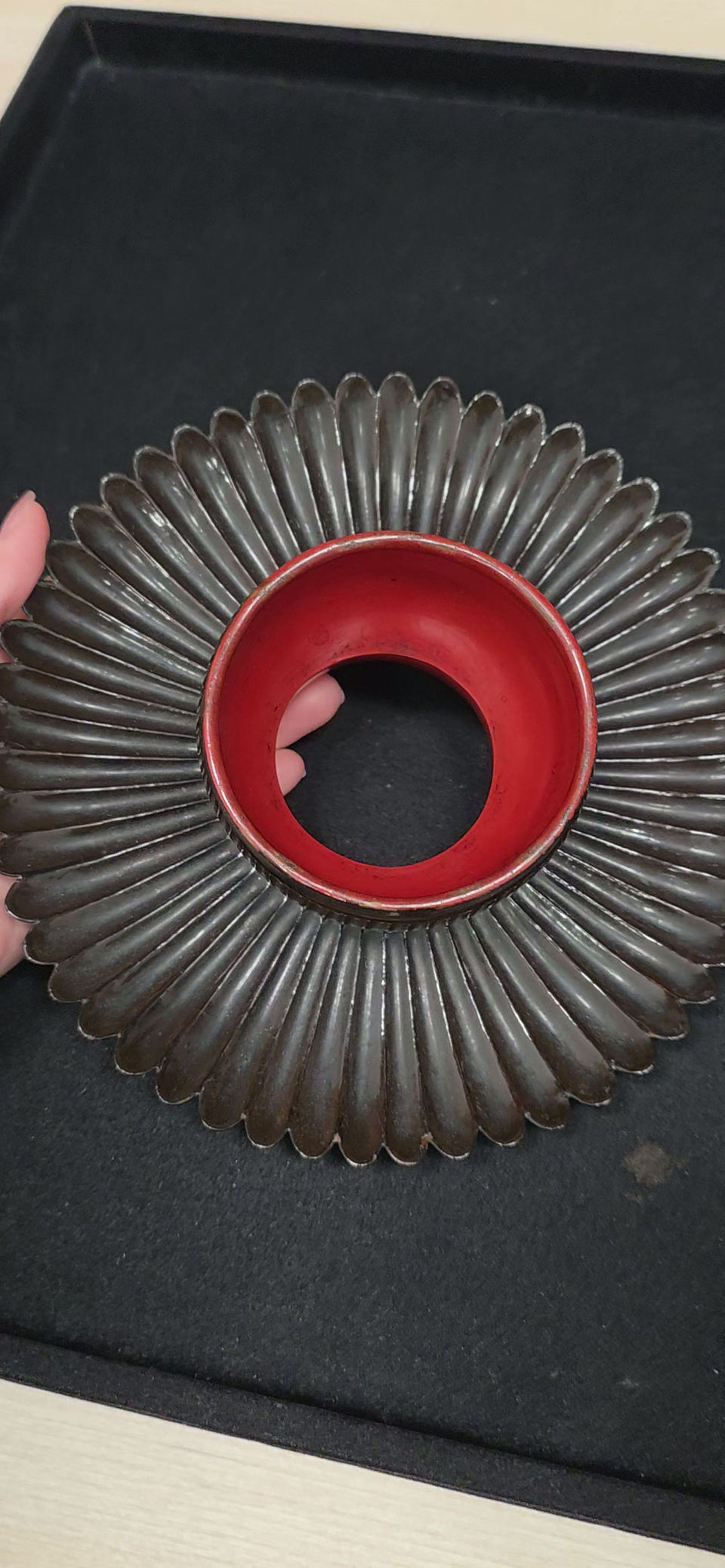
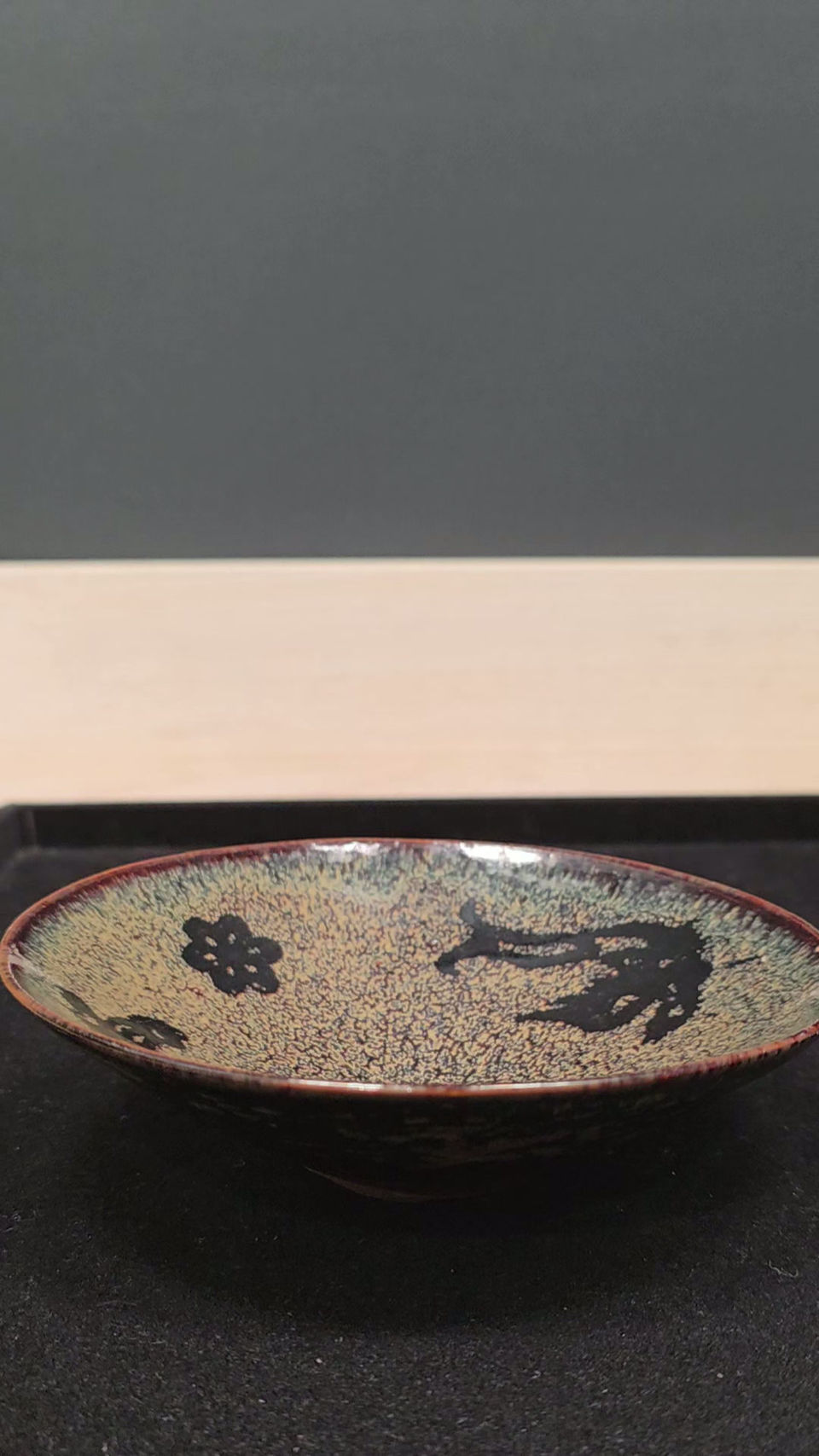
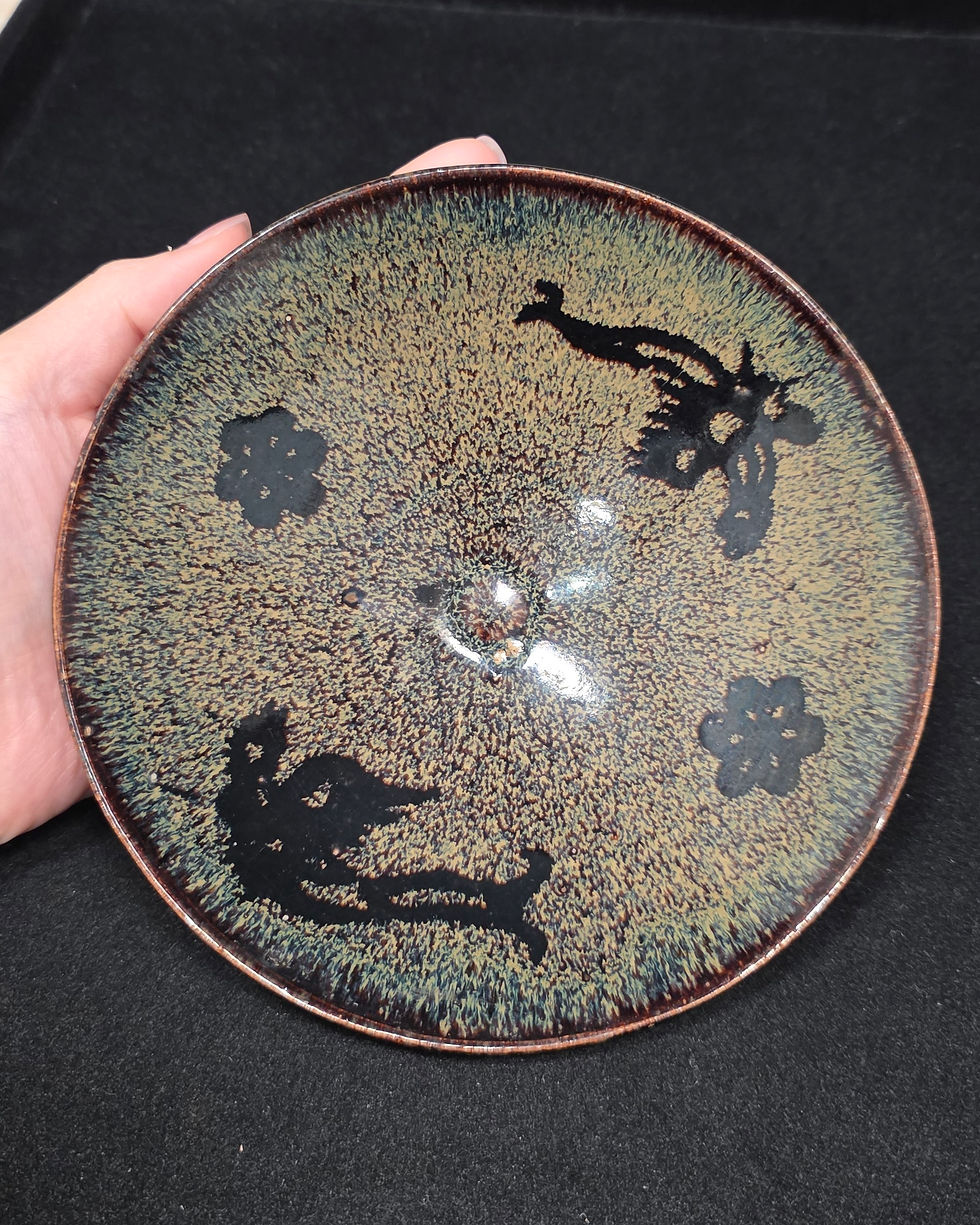
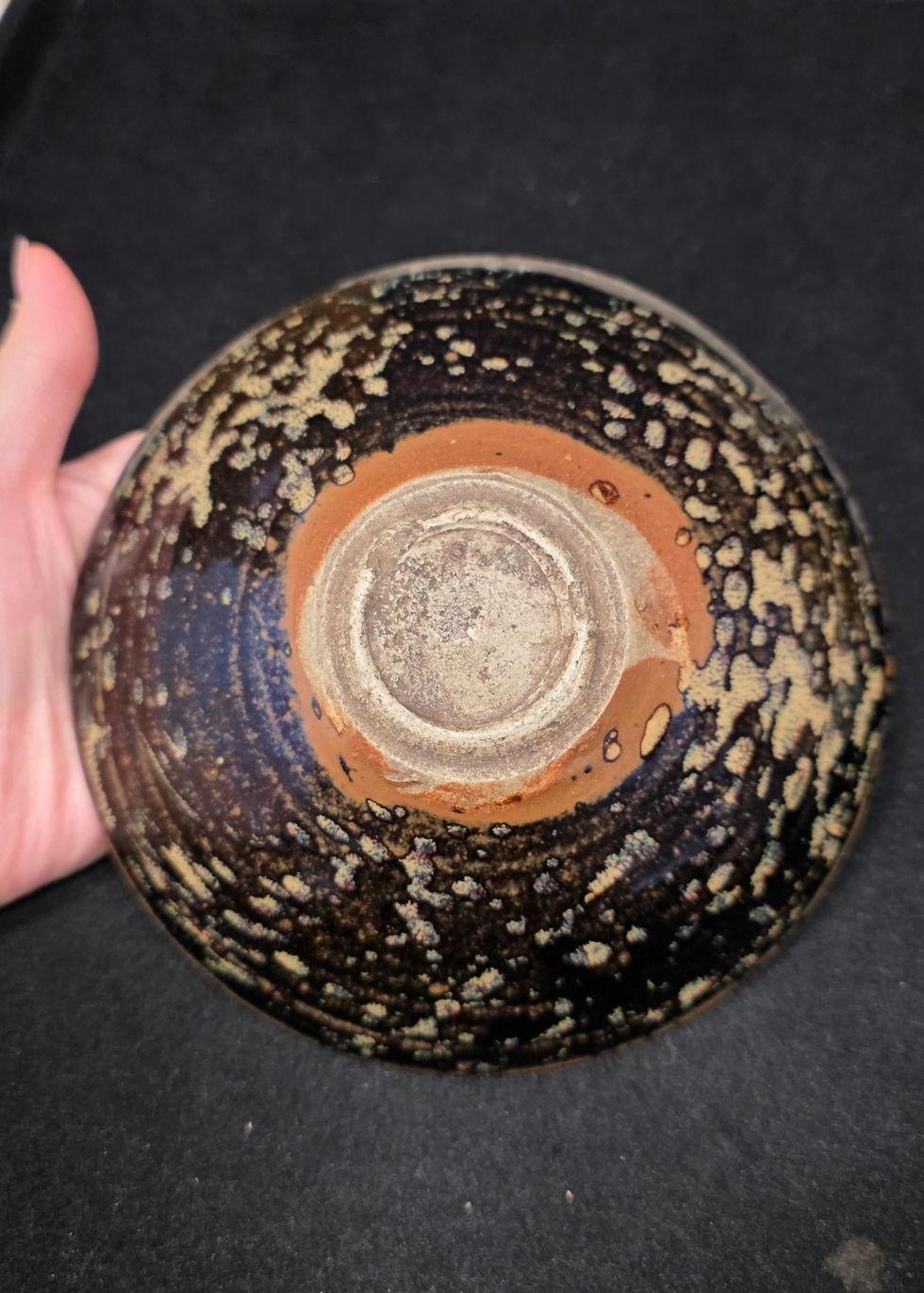
南宋吉州窰剪紙貼花鳳紋天目茶盞
A Jizhou 'papercut' 'phoenix' tenmoku bowl, Southern Song dynasty
Estimate
400,000 - 800,000 HKD
拍賣時間:2026年9月4日
來源
德川綱吉(1646至1709年)贈予德川光貞(1627至1705年),據盒上題記
平瀨露香(1838至1908年)收藏,大阪,此後於平瀬家傳世
《第三回平瀬家蔵器入札高直附》,1906年,以金四千六百圓售予「春海」,或為春海藤次郎(1840至1910年)
中村榮俊(1908至1978年)收藏,金澤,入藏於1968年或更早
壺中居,東京
展覽
《名宝展:開館記念》,石川県美術館,1959年,編號65(沒載圖,附展覽標簽)
《開館5周年記念展―美のスターたち―光琳.若冲.北斎.汝窯など名品勢ぞろい》, 岡田美術館,箱根,2018–19年,展覽編號50(沒載圖)
出版
黑田領治,《古今の名碗》,東京,1968年,編號2
小林忠編,《岡田美術館名品撰》,卷1,東京,2013年,編號14
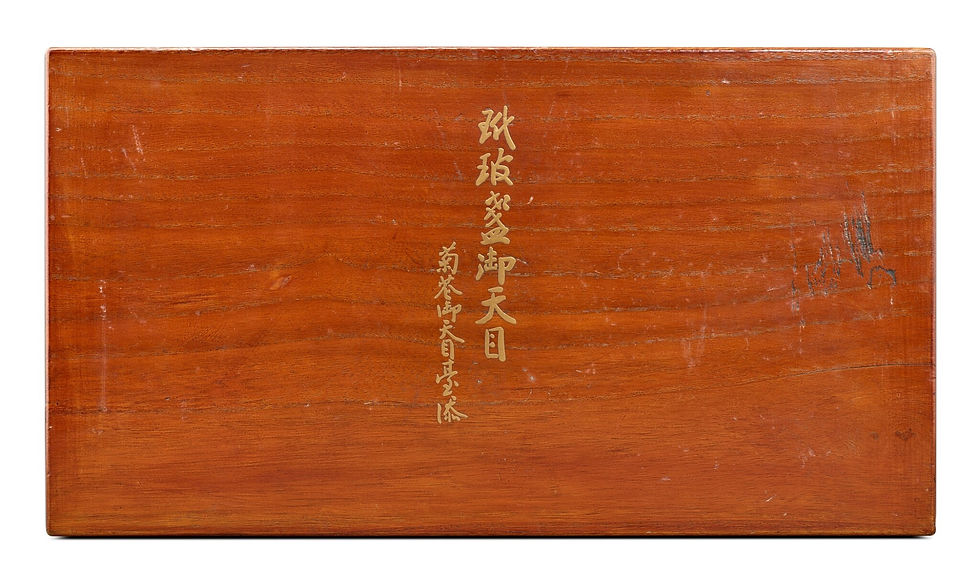
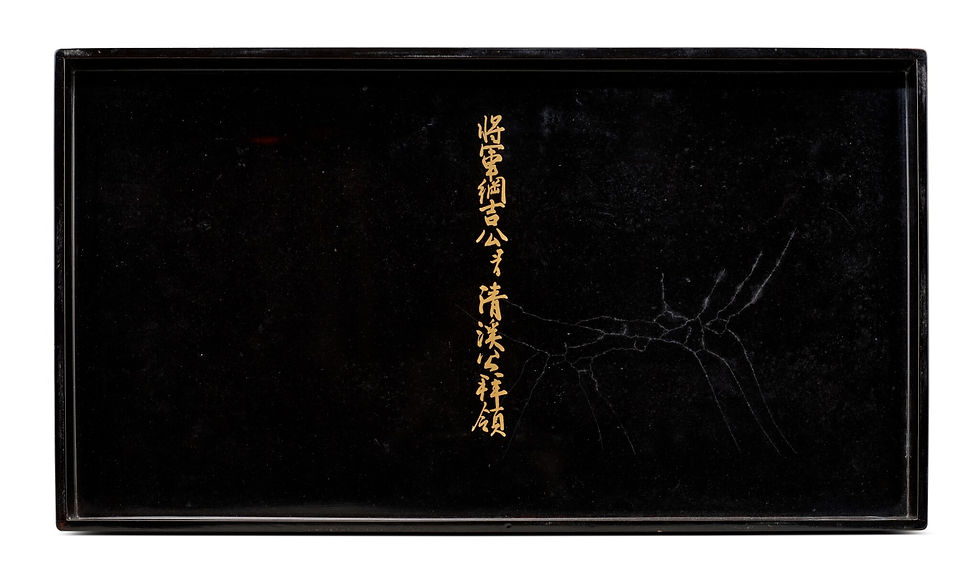
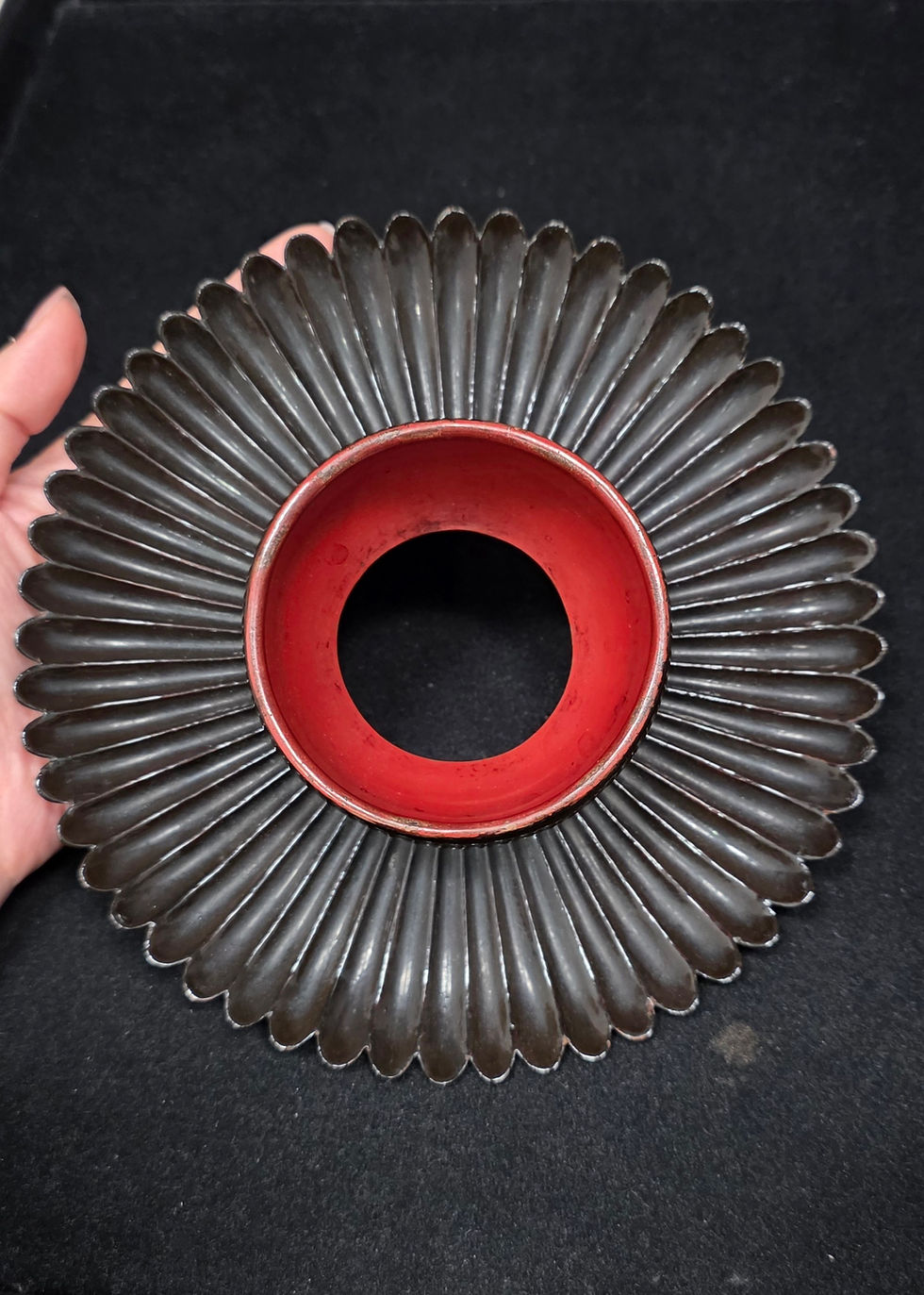
accompanied by a black lacquer chrysanthemum-form bowl stand, and nested Japanese wood boxes: the bowl’s box with an inscription attributed to Matsudaira Harusato (松平治鄉, 號不昧, 1751–1818), the lacquer stand’s box to Kobori Hōro (小堀蓬露, d. 1876), together with letters including one by Hattori Shichibei (服部七兵衛, 號集翠, b. 1894)
bowl 15 cm;
bowl stand 17.5 cm
茶盞木盒書松平治鄉題識,盞托木盒書小堀蓬露題識
Condition Report
Both the bowl and stand are in good overall condition, with very light surface wear.
盞及盞托皆整體品相良好。見輕微器面磨痕。
Provenance
Gifted by Tokugawa Tsunayoshi (徳川綱吉, 1646–1709) to Tokugawa Mitsusada (徳川光貞, 1627–1705), according to the box inscription.
Collection of Hirase Roko (平瀨露香, 1839–1908), Osaka, and passed down through the Hirase family.
Daisansai Hirase-ka Zōki Balikodai-tsuke [The Third Hirase Family Collection Auction Catalogue with Prices], 1906, sold to Harumi, likely Tojiro Harumi (春海藤次郎, 1840–1910), for 4,600 gold yen.
Collection of Eishun Nakamura (中村榮俊, 1908–1978), by 1968.
Kochukyo Co., Ltd, Tokyo.
Exhibited
Meiho ten: Kaikan Kinen [Masterpiece Exhibition: Opening Commemoration], Ishikawa Prefectural Museum, Kanazawa, 1959, cat. no. 65 (unillustrated, with exh. tag).
5th Anniversary Exhibition. All-Stars of the Okada Collection: Masterworks of Korin, Jakuchu, Hokusai and the Ru Ware Kilns, Okada Museum of Art, Hakone, 2018–19, exh. no. 50 (unillustrated).
Literature
Ryoji Kuroda, Kokon no meiwan [Selection of Master Teabowls], Tokyo, 1968, no. 2.
Kobayashi Tadashi, ed., Masterpieces of the Okada Museum of Art, vol. 1, Tokyo, 2013, no. 14.
Complete examples of Jizhou ware are already exceedingly rare; those that enjoy scholarly consensus as genuine transmitted pieces are rarer still. According to available records, the present piece formerly belonged to the collection of Hirase Rokō, with its documented provenance extending back at least to 1908. The claim of ownership by Tokugawa Tsunayoshi rests solely on the inscription on the storage box and still requires further corroboration. Should that inscription prove to be in the hand of Matsudaira Fumai himself, the object’s value would rise substantially. Although Matsudaira Fumai’s Unshū Collection Inventory contains a relevant entry, the absence of accompanying illustrations leaves the identification provisional; it nonetheless constitutes a useful point of departure for further research.
In recent years the market has been flooded with fabricated provenances. Unscrupulous dealers have gone so far as to print false catalogues in order to invent pedigrees. Suddenly pieces attributed to Kobori Enshū or Matsudaira Fumai have proliferated, inevitably diminishing the standing of those works that genuinely possess such distinguished lineages. Moreover, the dispersal of tea utensils into the hands of collectors who are not practitioners of the tea ceremony itself raises a larger question: whether this circulation is ultimately a blessing or a misfortune. The present sale of a relatively well-documented complete set offers collectors and scholars a valuable opportunity for close examination and critical engagement. Looking ahead, the rigorous authentication of transmitted works will remain a central task in the field.


Comments