
春秋戰國 vol.11 波特蘭博物館:楚國戰漢鐡錯銀辟邪 - Portland Art Museum, A Iron Cast Silver Inlaid ‘Bixie’ Chimera of the Chu Culture, The Arlene and Harold Schnitzer Collection, Warring States to Han Dynasty


此件鐵製嵌銀辟邪造像,造型為神獸「辟邪」,頭角高聳,形態雄健。不同於青銅或石雕常見的辟邪,鐵鑄例極為罕見,錯銀更珍稀。
在漢代,鐵器的價值與地位極高。雖然青銅仍廣泛用於禮器與裝飾品,但鐵因冶煉技術的進步逐漸普及,並被視為強韌而實用的材料。鐵器主要應用於農具與兵器,能將鐵運用於大型雕塑與鎮墓神獸,並加以銀嵌裝飾,說明其製作不僅耗費巨大,也具備相當的象徵與權力意涵。某種程度上,這類鐵製辟邪的珍稀性,甚至超越一般青銅作品。
辟邪在漢代常安置於陵墓、宮殿或重要建築前,用以鎮宅辟邪、保護亡靈,也是權力與威嚴的象徵。此件作品不僅反映了漢代金屬工藝的多樣性,也展現了楚文化在南方地域中融合巫覡信仰與漢王朝制度的獨特風格。鐵製辟邪存世甚少,本例尤具研究與收藏價值。

藏家背景
Arlene 與 Harold Schnitzer 夫婦為美國著名的慈善家與收藏家,長期活躍於俄勒岡州波特蘭。Harold Schnitzer(1923-2011)出身於鋼鐵與冶金業,後轉向房地產開發,積累了龐大財富。他與妻子 Arlene Schnitzer(1929-2023)在藝術與教育領域貢獻卓著。
Arlene Schnitzer 以推廣現代與亞洲藝術聞名,她於1970年代在波特蘭創立「Fountain Gallery」,推動西北地區現代藝術發展。夫婦二人同時對中國早期藝術——尤其是青銅器、陶俑與金屬工藝品——懷有濃厚興趣,其收藏後來大部分捐贈給波特蘭藝術博物館(Portland Art Museum),成為該館亞洲藝術的重要基礎。
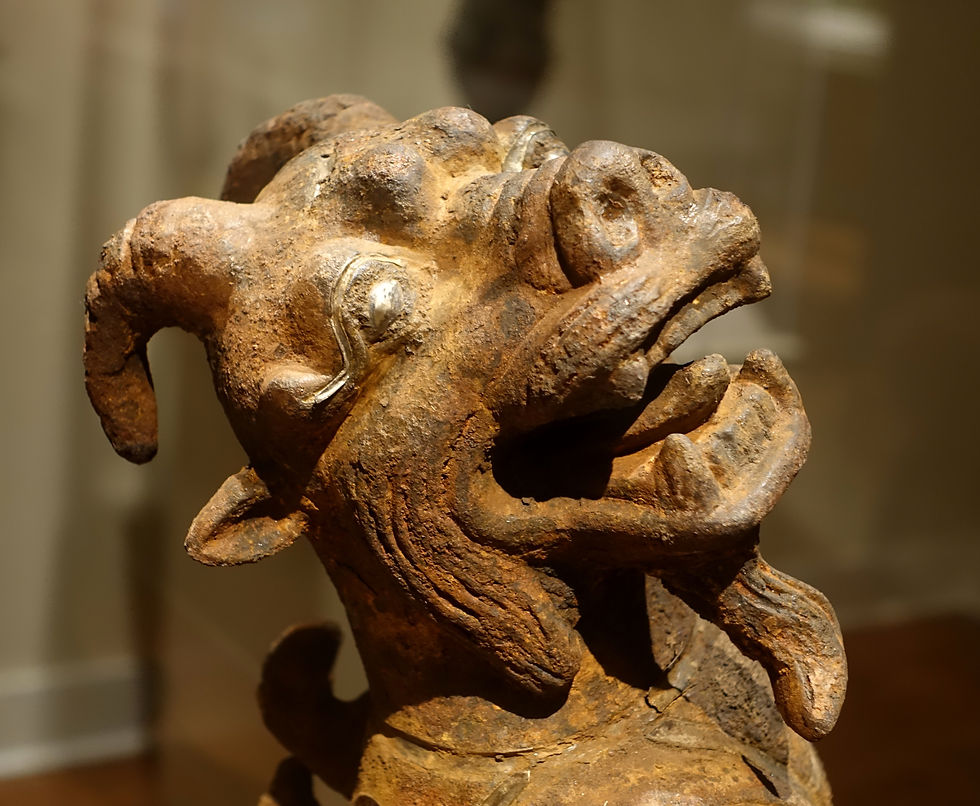
鐡銀辟邪
中國,楚文化,湖南省
年代:西元前2世紀-前1世紀
時期:中國漢代(公元前206-公元220年)或戰國
材質:鑄鐵錯銀尺寸:高36.5公分,寬25.4公分,深42.5公分
文化:中國
來源:Arlene與Harold Schnitzer中國早期藝術收藏
館藏編號:2002.71.3

A Iron Cast Silver Inlaid ‘Bixie’ Chimera
This iron chimera (bixie) inlaid with silver represents a rare example of early Chinese iron sculpture. The creature, with its powerful stance and prominent horns, belongs to the apotropaic category of bixie—mythical guardian beasts frequently installed at tombs and palatial complexes during the Han dynasty to ward off malevolent forces and safeguard the deceased.
Unlike the more common examples rendered in bronze or stone, iron-cast figures of this type are exceedingly rare. The present piece, further embellished with silver inlay, highlights not only the aesthetic ambitions but also the technical sophistication of Chu-region artisans in southern China. During the late Warring States and Han periods, iron was regarded as an especially valuable and strategic resource. While bronze continued to serve ritual and decorative purposes, iron surpassed it in terms of functional utility, particularly in weaponry and agricultural tools. To devote such a precious and labor-intensive medium to the creation of a large-scale funerary sculpture underscores both the high status of the patron and the extraordinary symbolic weight attached to this guardian figure. In this sense, the rarity and technical demands of iron-cast bixie arguably rendered them more exceptional than their bronze counterparts.
The piece also embodies the fusion of Han imperial ideology with southern Chu cultural traditions, where shamanistic beliefs were deeply interwoven with funerary practices. As such, it constitutes a crucial testimony to the diversity and regional character of Han-period metalwork.

Collector’s Background
This sculpture entered the museum as part of The Arlene and Harold Schnitzer Collection of Early Chinese Art.
Harold Schnitzer (1923–2011), originally trained in metallurgy and later a prominent real estate developer, and his wife Arlene Schnitzer (1929–2023), a noted patron of the arts who founded Portland’s Fountain Gallery in the 1970s, were among the most influential cultural benefactors in the Pacific Northwest.
Their collecting interests extended into early Chinese material culture, with particular emphasis on bronzes, tomb sculpture, and metalwork. Their donations have significantly enriched the Portland Art Museum’s holdings, establishing it as a vital center for the study of Asian art in North America.

Arlene with her husband Harold Schnitzer. The couple’s active involvement in Portland civic life led to some calling them Portland’s “first couple.”
Courtesy of the Jordan Schnitzer Family Foundation
Title
Bixie (Chimera)
original language: 鐡銀辟邪
Artist
attributed to China, Chu culture, Hunan province (Chinese)
Date
2nd century BCE/1st century BCE
Period
China: Han Dynasty (206 BCE-220 CE)
Medium
cast iron with silver inlay
Dimensions (H x W x D)
14 3/8 in x 10 in x 16 3/4 in
Collection Area
Asian Art
Category
Sculpture
Object Type
sculpture
Culture
Chinese
Credit Line
The Arlene and Harold Schnitzer Collection of Early Chinese Art
Accession Number
2002.71.3


Comments