
SACA藝報:皇家珍藏命懸一線 — 古斯塔夫六世東亞藝術收藏與東亞博物館存廢之爭 - Royal Treasures at Risk — King Gustaf VI Adolf’s Chinese Art Collection and the Future of Sweden’s East Asian Museum


斯德哥爾摩,2026年4月 —— 瑞典東亞博物館(Östasiatiska museet)因國家財產委員會租金大幅上漲57%,正面臨2027年永久關閉的風險。
這座博物館的核心館藏之一,正是前國王古斯塔夫六世阿道夫(Gustaf VI Adolf,1882–1973)畢生蒐集並捐贈的中國古代藝術品。目前,博物館因修繕工程暫時閉館,原訂2026年秋季重開的計劃已因租約問題蒙上陰影。

斯德哥尔摩东亚博物馆,曾经是欧洲汉学鼻祖高本汉用文言文传授给一代代弟子的圣地,诸如《老子》、《庄子》、《论语》等经史子集至今不为弟子所忘。/北欧时报
古斯塔夫六世對中國藝術與考古的熱情始於青年時期。他早年便透過與瑞典考古學家安特生(Johan Gunnar Andersson)的合作,推動1920年代中瑞考古發掘成果的整理與保存,並以王儲身份支持成立東亞博物館。數十年間,他親自蒐集約2000至2400件中國文物,包括新石器時代陶器、商周青銅器、漢唐至明清的陶瓷、玉器等,涵蓋多個重要歷史時期。這些藏品以系統性與學術價值著稱,不僅反映國王對器物形制與文化脈絡的深入研究,更曾多次舉辦專題展覽,如1975年的《Gustaf VI Adolfs gåva》(古斯塔夫六世阿道夫的贈禮)展,以及1960年代在美國的巡迴展出。
1959年,古斯塔夫六世將這批珍藏正式捐贈予東亞博物館;另有資料顯示,其部分遺贈於1974年(國王逝世後)正式入藏,成為館藏重要基石。博物館官方記述明確指出,這批皇家捐贈「構成了館藏的重要部分」,與安特生早期發掘品共同構成歐洲重要的中國古代藝術研究資源。藏品至今仍存放於斯德哥爾摩Skeppsholmen島的Tyghuset建築內。

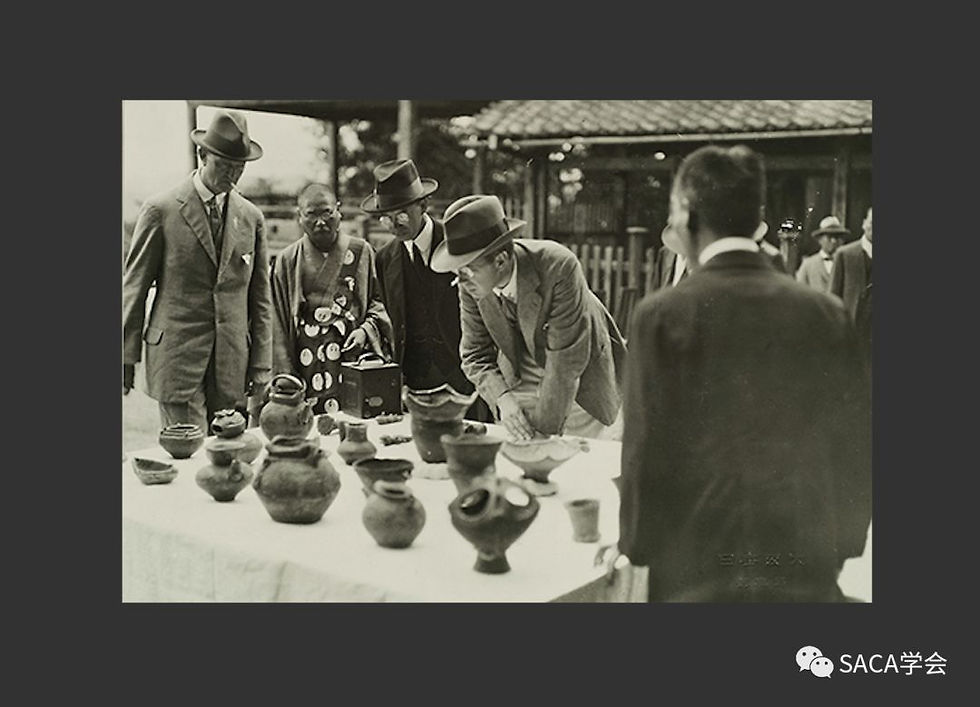

早在2019年,SACA學會便在微信公眾號發表文章《王的盛宴:瑞典国王古斯塔夫六世的中国情怀 - Gustaf VI Adolf》(連結:https://mp.weixin.qq.com/s/U7r2Rmi3Ni_7SRoCihk-nA?),詳細梳理了這位國王的中國情懷、收藏歷程及其與東亞博物館的深厚淵源。此次博物館存廢爭議,再度讓這批皇家珍藏的歷史意義浮上檯面。
目前,已有超過4000名民眾簽署請願書,反對關閉東亞博物館。文化部長帕里薩·利耶斯特蘭德(Parisa Liljestrand)表示將審視相關預算,但尚未有明確保館決定。若租約終止,藏品可能移至民族學博物館或哥德堡世界文化博物館合併展出,這將影響獨立展示空間與專題研究環境。
這批跨越世紀的皇家收藏,不僅見證了20世紀歐洲王室對中國藝術的熱情投入,也成為當前文化遺產保護討論的焦點。事件後續發展,仍待瑞典政府最終裁決。
Press Release: Royal Treasures at Risk — King Gustaf VI Adolf’s Chinese Art Collection and the Future of Sweden’s East Asian Museum
Stockholm, April 2026 — Sweden’s Museum of Far Eastern Antiquities (Östasiatiska museet), also known as the East Asian Museum, faces the serious risk of permanent closure in 2027 due to a sharp 57% rent increase imposed by the Swedish National Property Board (Statens fastighetsverk). The museum is currently closed for renovation and planned upgrades, with a reopening originally scheduled for autumn 2026 now uncertain as lease termination looms for both the East Asian Museum and the Mediterranean Museum.
A cornerstone of the museum’s collections is the generous donation from His Majesty King Gustaf VI Adolf (1882–1973). The Swedish monarch developed a deep passion for East Asian art and archaeology from his youth. He actively supported the 1920s Sino-Swedish archaeological expeditions led by Johan Gunnar Andersson, which brought significant Neolithic finds — including early Chinese pottery — to Sweden and helped establish the museum. Over decades, King Gustaf VI Adolf personally assembled a remarkable private collection of approximately 2,400 Chinese art objects, ranging from Neolithic ceramics and Shang-Zhou bronzes to Han-Tang through Ming-Qing ceramics and jade. These pieces are noted for their scholarly depth, reflecting the king’s archaeological curiosity alongside artistic appreciation.
In 1959, the King donated a substantial portion of his lifetime collection (around 2,000 objects according to some records) to the Museum of Far Eastern Antiquities. His remaining pieces entered the museum after his death in 1973. Museum records confirm that “King Gustaf VI Adolf’s generous donation makes up a key part of the collections.” The royal gifts, together with the Andersson expedition materials, form one of Europe’s most important resources for the study of ancient Chinese art. Selected highlights from the collection were exhibited internationally, including a 1966 tour in the United States featuring 150 objects.
As early as 2019, SACA Society published an in-depth article on its WeChat public account titled The King’s Banquet: King Gustaf VI Adolf’s Chinese Passion – Gustaf VI Adolf (link: https://mp.weixin.qq.com/s/U7r2Rmi3Ni_7SRoCihk-nA?), which explored the monarch’s lifelong affinity for Chinese culture, his collecting journey, and the close ties between his collection and the East Asian Museum. The current debate over the museum’s fate has brought renewed attention to this royal legacy.
The collections remain housed in the historic Tyghuset building on Skeppsholmen island in Stockholm. If the leases are terminated, the objects may be relocated and integrated into the Ethnographic Museum or the World Culture Museum in Gothenburg, potentially affecting dedicated exhibition spaces and specialized research facilities.
Over 4,000 citizens have already signed a petition opposing the closure. Sweden’s Minister for Culture, Parisa Liljestrand, has stated that the government will review the budget implications, but no firm commitment to preserve the independent museums has been made yet.
King Gustaf VI Adolf’s collection stands as a testament to 20th-century European royal interest in Chinese civilization and the fruitful cultural exchanges of that era. Its future is now part of a broader discussion on cultural heritage preservation amid rising costs. Developments will depend on the Swedish government’s final decisions in the coming months.


Comments