
茶碗筆記 vol.19 德川美術館:白天目,無地刷毛目茶碗,南禪寺金地院傳來 - Tokugawa Museum, Muji-Hakeme Tea Bowl
- SACA

- Apr 27
- 3 min read

無地刷毛目茶碗
本器與室町時代中期美濃地區所燒製的「白天目」不同,屬於高麗茶碗的一種。在白泥刷毛塗飾的「刷毛目」類型中,本器屬於不使用刷毛、而以浸掛(dip)方式施加白泥的「無地刷毛目」。
此碗傳自京都南禪寺塔頭金地院,明曆三年(1657)十月,與「朱塗菱花天目台」一同獻給四代將軍德川家綱,其後一直由將軍家傳藏。
刷毛目技法介紹
刷毛目是朝鮮王朝(李朝)時期粉青沙器(Buncheong ware)最具代表性的裝飾技法之一。其做法是在灰黑色或褐色的胎土表面,以刷毛沾取白色化粧土(白泥),快速刷掃或塗抹後,再施以透明釉燒成。刷毛留下的白線條紋清晰可見,富有動感與自然之趣,故名「刷毛目」。
其中,「無地刷毛目」(muji-hakeme)則是刷毛目的一個特殊分支。它不以刷毛塗刷,而是將器物整體或大面積浸入稀釋的白泥漿中,使白泥均勻附著,形成近乎無紋、素雅的白色表面,因此稱為「無地」。此技法既保留了粉青沙器的白化粧特徵,又呈現出更為沉穩、簡潔的視覺效果,在日本茶道中常被視為高麗茶碗中的清雅之器。
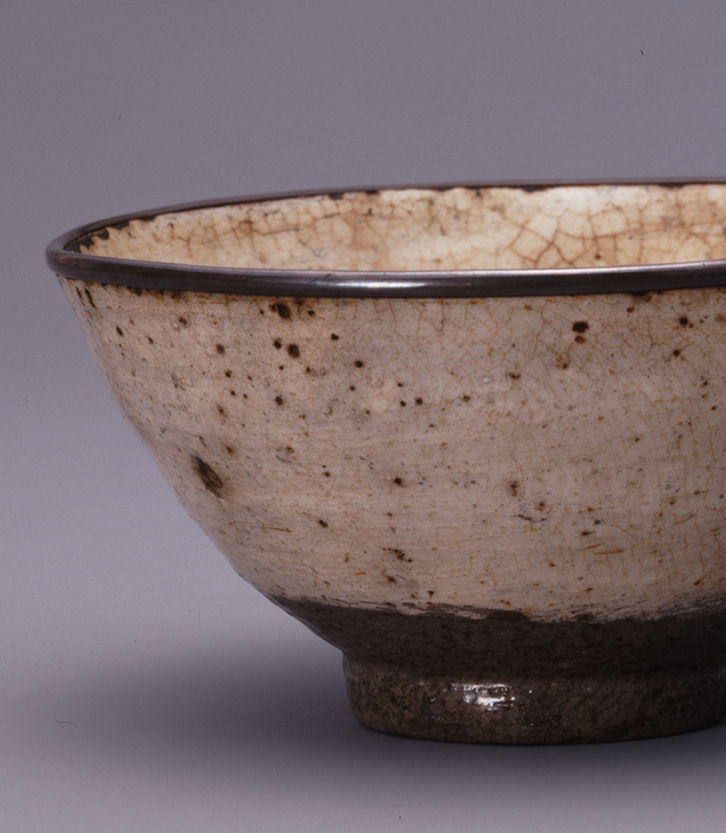
Unlike the “Shiro Tenmoku” (White Tenmoku) produced in Mino during the mid-Muromachi period (also in the collection of the Tokugawa Art Museum and others), this piece belongs to the category of Korean (Goryeo-style) tea bowls. Among the “Hakeme” (brushed slip) type, in which white slip is applied with a brush, this example is classified as “Muji-hakeme” (plain or unbrushed hakeme), where the white slip is applied by dipping rather than brushing.
The bowl has a distinguished provenance from the Golden Ground Pavilion (Kinchi-in), a sub-temple of Nanzen-ji in Kyoto. In the 10th month of Meireki 3 (1657), it was presented to the fourth shogun, Tokugawa Ietsuna, together with a vermilion-lacquered diamond-flower tenmoku stand, and has since been transmitted within the shogunal family.
Introduction to the Hakeme Technique
Hakeme (刷毛目) is one of the most characteristic decorative techniques of Buncheong ware (粉青沙器) from the Joseon dynasty in Korea. It involves applying white slip (engobe) onto the dark grey or brownish stoneware body using a brush or straw in swift, expressive strokes, followed by a coating of transparent glaze and firing. The resulting visible brush marks give the surface a dynamic, textured appearance, hence the name “hakeme” (brush marks).
“Muji-hakeme” (無地刷毛目, plain hakeme) is a refined subtype of hakeme. Instead of brushing, the vessel is dipped into a diluted white slip bath, allowing the slip to coat the surface evenly and create an almost patternless, serene white appearance. This technique produces a more understated and elegant effect while retaining the essential characteristics of Buncheong ware. In the context of Japanese tea ceremony, muji-hakeme bowls are highly regarded for their quiet refinement and subtle beauty.
室町時代半ばに美濃で生産された「白天目」(徳川美術館ほか所蔵)とは異なり、高麗茶碗の一種です。白泥を刷毛などで塗った「刷毛目」の中でも、刷毛を用いずに漬け掛けした「無地刷毛目」に分類されます。 京都・南禅寺の塔頭である金地院伝来で、明暦3年(1657)10月に4代将軍徳川家綱に「朱塗菱花天目台」とともに献上されて以降、将軍家に伝わっていました。
Over View
概要
作品名 | 白天目(無地刷毛目茶碗) |
作品名ふりがな | しろてんもく(むじはけめちゃわん) |
作者名 | |
文化財指定 | |
作品分類 | 陶磁 |
国 | 朝鮮王朝 |
時代 | 朝鮮王朝 |
世紀 | 16世紀 |
数量 | 1口 |
材質·技法 | |
サイズ | 高6.7cm 口径12.8cm 底径5.1cm |


Comments