
青銅筆記 vol.54 上海博物館:秦公鎛,甘肅禮縣大堡子山秦公墓地 - Shanghai Museum, Duke of Qin, Bronze Vessel of Bo, Spring and Autumn Period


上海博物館所藏的「秦公器」出自甘肅禮縣大堡子山秦公墓地(春秋早期),因 1990 年代初遭大規模盜掘而流失海外,後透過時任館長馬承源赴港搶救性徵集(1993年),以及旅美藏家范季融、胡盈瑩夫婦無償捐贈(2009年捐予國家、2015年正式劃撥上博)兩大途徑分批入藏。
秦公鎛
出土背景與歷史來龍去脈
這批文物見證了秦人從西陲部族正式晉升為諸侯國的關鍵轉折點:
歷史背景:西周滅亡之際(公元前770年),秦襄公因護送周平王東遷有功,獲封諸侯並獲賜岐山以西之地,秦國正式立國。大堡子山即為早期秦國國君(學界多認為是秦襄公與秦文公)在「西垂」的陵區。
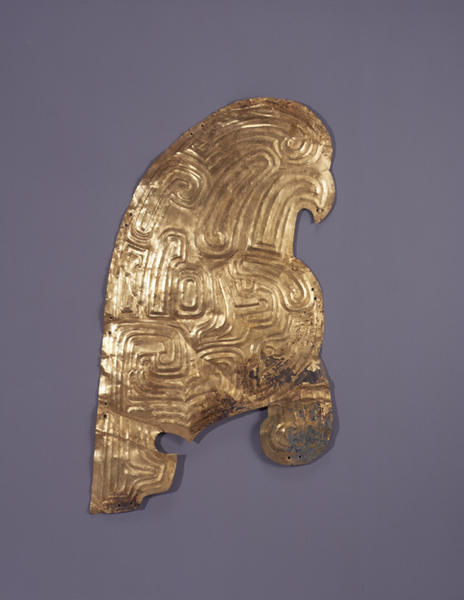
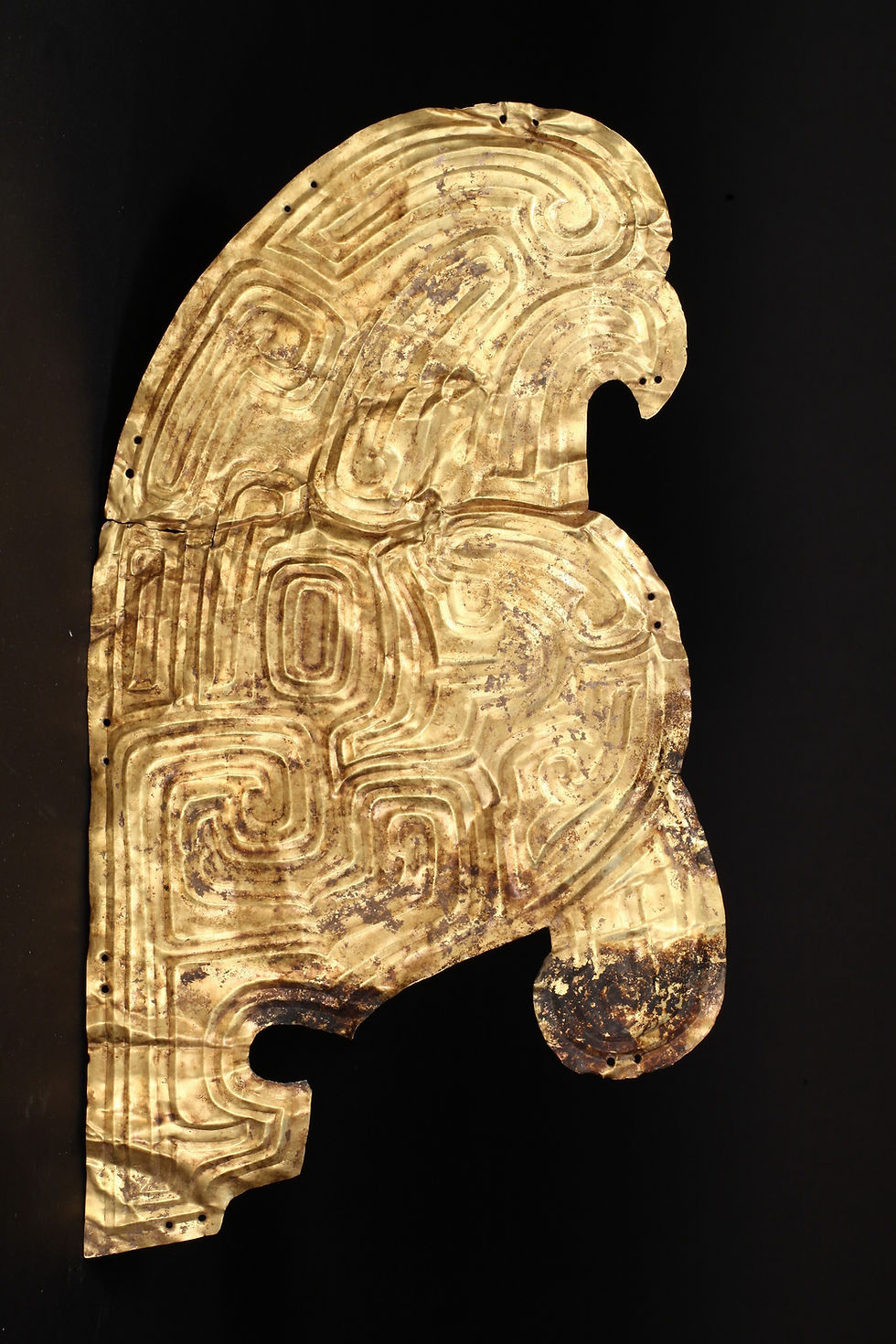
盜掘與流失:1990 年代初期,大堡子山秦公大墓(M2、M3)遭到嚴重盜掘,大批帶有「秦公」、「秦子」銘文的青銅重器與金飾片迅速流向香港、台灣及歐美古玩市場。
學術意義:這批器物仿照西周王室禮樂制度鑄造(如列鼎、列簋、編鎛),證明早期秦人在保留西部文化特色的同時,已主動吸納中原禮制,為日後東進爭霸奠定基礎。

上博館藏秦公器物詳細介紹
上海博物館收藏的大堡子山秦公青銅器共有十餘件,與甘肅省博物館藏品同源互補,核心器物如下:
(註:學界常提到的另一件長篇銘文「秦公鎛」(135字銘文、秦武公時期),係 1978 年陝西寶雞太公廟出土,現藏於寶雞青銅器博物院,與上博所藏甘肅禮縣出土的秦公鎛屬不同時代與出土地點。)
上博如何分批入藏這批國寶
這批流失海外的秦公重器得以重歸中國內地並入藏上博,主要經歷了兩次關鍵的搶救與回歸行動:
1993年:馬承源館長赴港緊急搶救徵集
1993年10月,一批剛從大堡子山盜掘流出的秦公青銅器出現在香港古玩市場。時任上海博物館館長馬承源獲悉後,深知其對填補早期秦史空白的重大價值,毅然籌措資金赴港,從中精選並搶救性收購了4件秦公鼎、2件秦公簋及1件無銘獸目交連紋簋,成為當時中國內地最早入藏的一批有銘秦公重器。
2009–2015年:藏家范季融、胡盈瑩夫婦無償捐贈
另一批大堡子山文物則流轉至歐美私人藏家手中。美籍華人收藏家范季融(香港著名藏家胡惠春之女婿)與夫人胡盈瑩(齋號「首陽齋」)在海外陸續購藏了這批流散青銅器。2009年,夫婦二人決定將包括3件秦公鼎、2件秦公簋在內的9件秦公、晉侯青銅重器無償捐贈給國家文物局。2015年,國家文物局尊重捐贈人意願,正式將這批文物劃撥予上海博物館永久收藏,使這批離散二十餘年的秦公禮器得以在上博重聚。
秦公镈
时代:春秋
详细年代:春秋早期
类别:铜器
进阶类别:乐器
尺寸:高38.2厘米,宽24.5厘米
材质:铜
外观形式:镈
工艺:范铸法
来源:甘肃礼县大堡子山秦公墓地出土
主题:龙、铭文
文字释文:秦公作铸■■钟
位置:上海博物館中国古代青铜馆

Historical Context
These artifacts bear witness to the pivotal turning point when the Qin people officially rose from a western frontier tribe to a feudal state:
Historical Context: During the fall of the Western Zhou Dynasty (770 BCE), Duke Xiang of Qin was enfeoffed as a feudal lord and granted lands west of Mount Qi for his meritorious service in escorting King Ping of Zhou eastward, marking the formal establishment of the State of Qin. Dabaozishan served as the royal mausoleum area in "Xichui" (the Western Frontier) for the early rulers of Qin (widely believed by scholars to be Duke Xiang of Qin and Duke Wen of Qin).
Looting and Dispersion: In the early 1990s, the large tombs of the Dukes of Qin (M2 and M3) at Dabaozishan suffered severe looting. Large quantities of major bronze vessels and gold ornaments bearing inscriptions such as "Duke of Qin" (秦公) and "Son of Qin" (秦子) quickly flowed into antique markets in Hong Kong, Taiwan, Europe, and the United States.
Academic Significance: Cast in imitation of the Western Zhou royal ritual and music system (such as graded sets of ding tripods, gui food vessels, and bo bells), these artifacts prove that while preserving their western cultural characteristics, the early Qin people proactively absorbed the ritual systems of the Central Plains, laying the foundation for their future eastward expansion and quest for hegemony.
Detailed Introduction to the Shanghai Museum's Duke of Qin Bronzes
The Shanghai Museum houses over a dozen Duke of Qin bronzes from Dabaozishan, which share the same origin as and complement the collection of the Gansu Provincial Museum. The core artifacts include:
Artifact Name | Quantity & Dimensions | Inscriptions & Craftsmanship Features | Historical & Artistic Value |
Duke of Qin Bo Bell (秦公鎛) | 1 piece (originally named Duke of Qin Zhong Bell), H: 38.2 cm, W: 24.5 cm | Flat-rimmed tile-shaped body with openwork dragon-shaped flanges on both sides; cast with inscriptions including "Duke of Qin cast this [missing characters] bell" (秦公作鑄□□鐘). | A high-status bronze percussion instrument from the Early Spring and Autumn Period; likely excavated from the same tomb as the museum's Duke of Qin Ding whose character "Qin" (秦) omits the "Jiu" (臼) component. |
Duke of Qin Ding Tripods (秦公鼎) | Multiple pieces (including a graded set), H: 30.5 to 47 cm | Six-character inscriptions such as "Duke of Qin made this precious ding for use" (秦公作寶用鼎) cast on the inner belly wall; upright ears, everted rims, animal-head cabriole legs, decorated with interlaced beast-body patterns. | The character "Qin" (秦) on the tripods either retains the archaic "Jiu" (臼) radical or appears in a simplified form, clearly reflecting the evolutionary trajectory of early Qin script. |
Duke of Qin Gui Vessels (秦公簋) | Multiple pieces (including graded gui), H: approx. 23.5 cm | Cast inside with "Duke of Qin made this precious gui" (秦公作寶簋); contracted mouth, bulging belly, twin dragon ears, and a large ring-handle on the lid that can function as a serving dish when inverted. | Used in conjunction with graded ding tripods as standard ritual sacrificial vessels for feudal lords; craftsmanship blends Western Zhou legacies with local Qin characteristics. |
(Note: Another frequently cited "Duke of Qin Bo Bell" featuring a long 135-character inscription from the era of Duke Wu of Qin was excavated in 1978 at Taigongmiao in Baoji, Shaanxi Province, and is now housed in the Baoji Bronze Ware Museum. It belongs to a different era and excavation site than the Dabaozishan bell in the Shanghai Museum.)
How the Shanghai Museum Acquired These National Treasures in Batches
The return of these scattered Duke of Qin treasures to mainland China and their entry into the Shanghai Museum primarily involved two landmark rescue and repatriation efforts:
1993: Emergency Rescue Acquisition in Hong Kong by Director Ma Chengyuan
In October 1993, a batch of newly looted Duke of Qin bronzes from Dabaozishan surfaced on the Hong Kong antique market. Upon learning of this, Ma Chengyuan, then Director of the Shanghai Museum, recognized their immense value in filling historical gaps regarding the early Qin state. He resolutely raised funds, traveled to Hong Kong, and selectively acquired four Duke of Qin ding tripods, two Duke of Qin gui vessels, and one uninscribed gui vessel decorated with interlaced beast-eye patterns. These became the earliest inscribed Duke of Qin bronzes to enter a mainland Chinese public collection.
2009–2015: Gratuitous Donation by Collectors Fan Jirong and Hu Yingying
Another batch of Dabaozishan artifacts circulated among private collectors in Europe and North America. Chinese-American collector Fan Jirong (son-in-law of the renowned Hong Kong collector Hu Huichun) and his wife Hu Yingying (whose studio is named "Shouyangzhai") gradually acquired these dispersed bronzes overseas. In 2009, the couple decided to donate nine major bronzes of the Dukes of Qin and Marquises of Jin—including three Duke of Qin ding tripods and two Duke of Qin gui vessels—free of charge to the National Cultural Heritage Administration (NCHA). In 2015, respecting the donors' wishes, the NCHA officially allocated these artifacts to the Shanghai Museum for permanent collection, reuniting these ritual vessels after more than two decades of separation.

Comments