
青銅筆記 vol.30 東京國立博物館:雲南省石寨山文化人形紋母題銅戈 - TNM, Yunnan Shizhaishan Culture Human Pattern Bronze ‘Ge’, 2-3th Century B.C.


石寨山文化銅戈
東京國立博物館藏品
The Bronze Ge of the Shizhaishan Culture and the Tokyo National Museum Collection
雲南石寨山遺址所代表的「滇文化」,以大量青銅兵器、車馬器與祭祀禮器著稱,其中銅戈尤為典型。戈作為自商周以來中原常見的長兵器,至戰國時逐漸式微,但在西南地區卻仍具有重要的軍事與禮儀功能,並被賦予強烈的地域審美特徵。
The Shizhaishan site in Yunnan represents the ancient Dian culture, noted for its abundance of bronze weapons, chariot fittings, and ritual implements. Among these, the bronze ge (dagger-axe) is especially emblematic. While the ge was a common long weapon in the Central Plains from the Shang through the Zhou period, its use declined after the Warring States. In the southwest, however, it retained significant military and ritual functions and developed distinctive regional characteristics.

東京國立博物館收藏有一件石寨山出土的銅戈(画像番号:E0031753),尤為引人注目。戈身上鑄有不屬於中原傳統的獸面或幾何紋,而是極具寫意性的面孔:雙目突出、口鼻簡化,形態近乎「外星人」般超脫現實。此種裝飾在滇文化銅器中並非孤例,反映了當地匠師對神祇、祖靈或超自然存在的獨特想像。這件銅戈不僅是武器,更是象徵權力與信仰的器物,可能專供貴族隨葬或儀式展示。
A striking example is preserved in the Tokyo National Museum (Accession No. E0031753). Unlike the traditional beast or geometric motifs of the Central Plains, the blade bears a stylized visage with protruding eyes and a simplified nose and mouth, resembling an “alien-like” countenance beyond naturalistic form. Such imagery is not unique within Dian bronzes and reflects the artisans’ distinct conceptions of deities, ancestral spirits, or supernatural beings. The piece was likely not merely a weapon but also a symbol of power and belief, possibly intended for elite burial or ritual display.
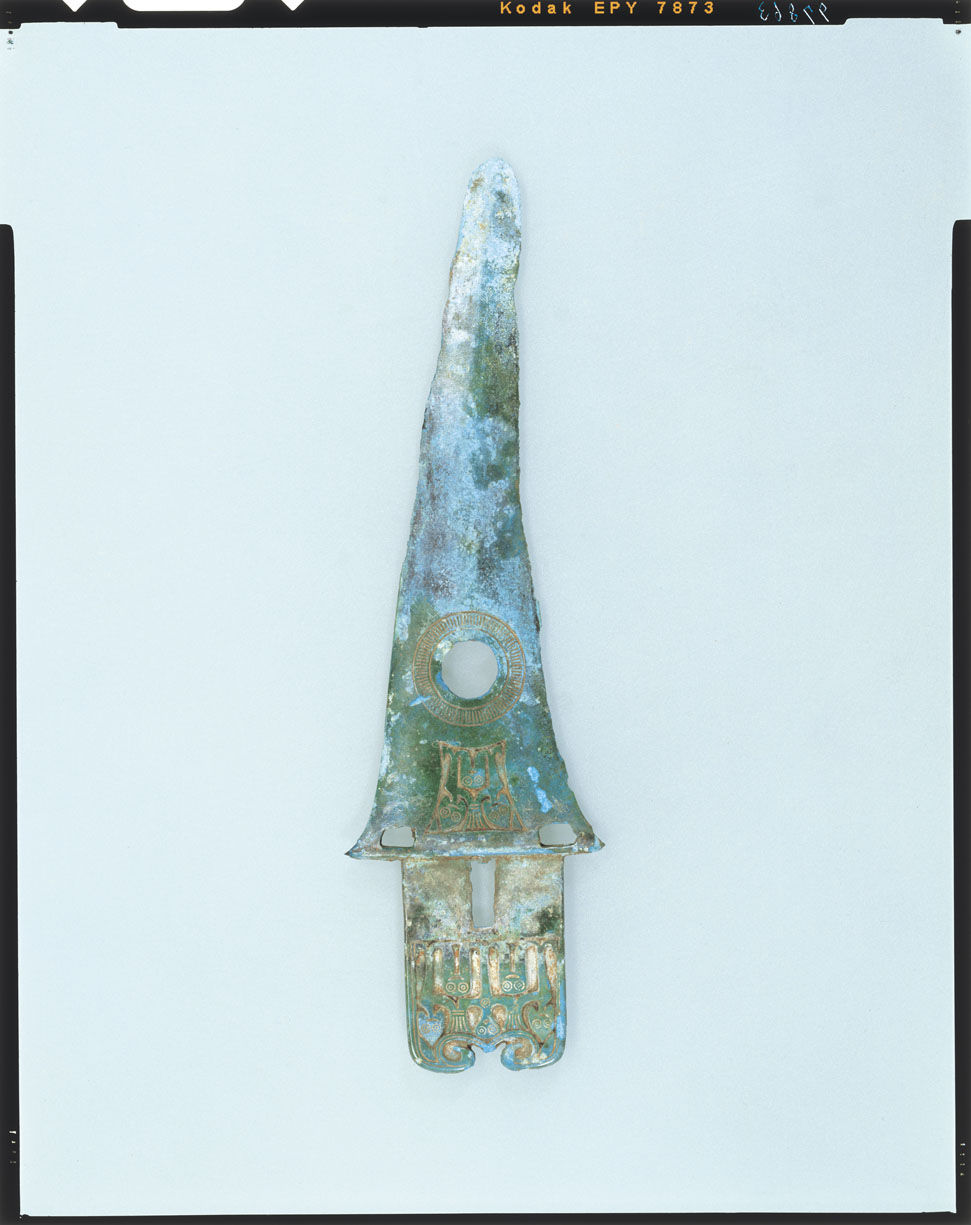
與中原禮制化、制度化的銅戈相比,石寨山銅戈體現了西南文化在工藝與精神層面的差異:它們更注重圖像表達與宗教性,而非單純的兵器功能。東京國立博物館的這件藏品,正好為我們提供了一個理解滇國精神世界的窗口。其「異形」般的臉龐提醒我們,古人所塑造的神祇形象,或許超越了現代視角下的分類,值得持續深入的跨文化比較研究。
Compared with the more standardized and ritualized ge of the Central Plains, the Shizhaishan examples embody the distinctive craftsmanship and spiritual dimension of the southwest: emphasizing imagery and religiosity rather than purely martial function. The Tokyo National Museum’s specimen offers a rare window into the spiritual world of the Dian Kingdom. Its “otherworldly” visage reminds us that ancient representations of divinity may transcend modern categories and merit continued cross-cultural investigation.


Comments