
拍賣筆記 vol.408 蘇富比香港2026:64萬港元售出,唐三彩寶相花三足盤,松下幸之助、岡田博物館舊藏 - Sotheby’s 2026, Okada Sales Part 2, Matsushita Family (Panasonic), A Small Sancai Tripod Dish, Tang Dynasty

Updated: Sep 4

SACA拍場(2026.09.04):50萬落槌,sonya電話,6598。
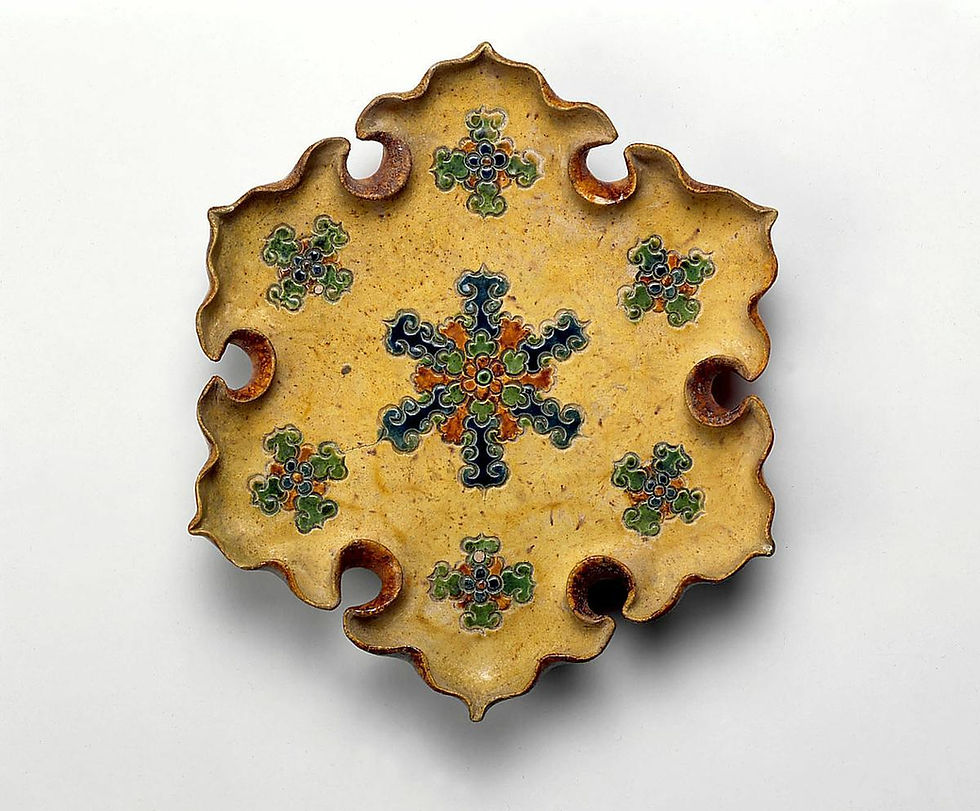
唐三彩三足盤,無疑是大唐盛世中最具標誌性的經典器形。當代主流視角多將其立體外廓歸因於波斯薩珊金銀器的東漸影響;然而,若將目光投向更深邃的歷史縱深,便會發現「三足器」的造物基因,自新石器時代起便深植於華夏文明的血脈之中。及至兩漢,承載著神仙思想的「三獸足」——尤其是寓意力量與祥瑞的熊足,更已成為刻進骨子裡的審美圖騰。因此,唐代三足盤的誕生,絕非單一文化的移植,而是絲路風華與本土漢風交融互鑑的集大成之作。
這種被奉為宮廷典範的器物,在唐代繪畫中留下了最為優雅的歷史定格。陝西富平縣唐高祖獻陵陪葬墓(房陵大長公主墓)的壁畫《托果盤侍女圖》中,便生動再現了其在禁宮之中的高貴儀軌:侍女雙手恭敬地握住器足、高高托舉,神聖而虔誠。那是大唐宮廷禮樂最具象的儀式感。

房陵大長公主墓,壁畫局部
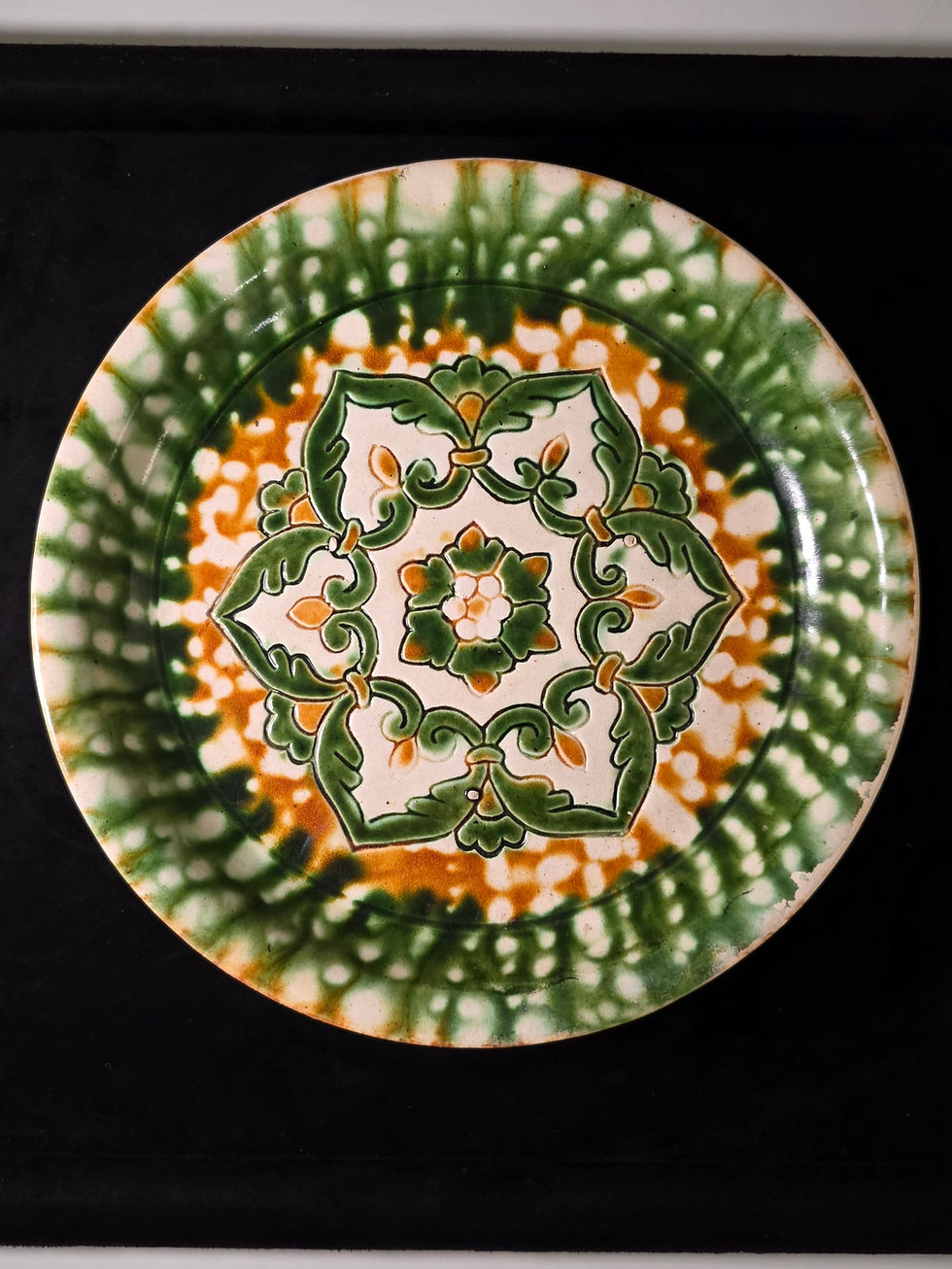
回到松下幸之助先生舊藏的這件唐三彩三足盤。其釉光瑩潤如初,三彩分色洗練,敷色轉折間盡顯盛唐氣象,其發色與工藝質量毫無疑問已臻絕頂。更為精妙的是其19.3公分的尺度之美——相較於常見的宏大器型,它略微收斂的尺寸,反倒在穠纖得衷間,淬煉出一種無可比擬的宮廷禁中精緻感。
在浩瀚的古美術收藏中,於同類器物中甄選出具備獨特特質的「佼佼者」,向來是頂級藏家終其一生夢寐以求的聖杯。藏家的品味之過人,往往恰在於能敏銳捕捉到世人尚未察覺的微茫之美。透過器物,我們得以與背後的靈魂對望。這種跨越千年的選物眼光,不僅具備刺破時代的穿透力,更讓人由衷讚嘆——經營之神松下幸之助的審美品格,果真名不虛傳。
另外,外箱內墨書畫押,推測是松下幸之助親筆。


松下幸之助在京都松下真真庵
唐三彩寶相花三足盤
A small sancai tripod dish, Tang dynasty
Estimate
200,000 - 400,000 HKD
拍賣時間:2026年9月4日
來源
松下家舊藏
壺中居,東京
出版
水野清一,《陶器全集》,卷25:唐三彩,東京,1961年,圖版27


Description
Japanese wood box
19.3 cm
Provenance
Collection of the Matsushita family.
Kochukyo Co., Ltd, Tokyo.
Literature
Seiichi Mizuno, Toki Zenshu [The Complete Works of Ceramics], vol. 25: Tosansai [Tang sancai], Tokyo, 1961, pl. 27.
The Tang dynasty tri-pod plate stands uncontested as one of the most iconic and celebrated forms within the entire corpus of Sancai (three-color) ceramics. While contemporary scholarship frequently attributes its distinct trilobed silhouette to the eastward transmission of Sassanian Persian metalwork, a deeper look into the recesses of antiquity reveals that the tri-pod form is an indigenous design DNA woven into Chinese material culture since the Neolithic period. By the Han dynasty, the "three zoomorphic feet"—particularly the stylized bear feet imbued with notions of divine power and Daoist immortality—had already established an indelible aesthetic presence. The Tang tri-pod plate, therefore, should not be viewed as a mere cultural copy, but rather as a brilliant, holistic synthesis where Silk Road exuberance perfectly coalesced with deep-seated Han heritage.
The high courtly status of this vessel form is immortalized in the visual record of the high Tang elite. In the famed mural Court Maid Holding a Fruit Platter, discovered in the Shaanxi tomb of Princess Grand Dowager Fangling (the sixth daughter of Emperor Gaozu, buried at the Xianling Mausoleum), we witness the precise ritual etiquette surrounding its use within the forbidden palace. The attendant does not cradle the base but reverently grasps two of the vessel's feet, elevating the tray to neck height in a gesture of profound piety. This is the solemn, tangible manifestation of Tang courtly liturgy.
Turning to the present Sancai tri-pod plate, formerly in the revered collection of Konosuke Matsushita, one is immediately struck by its supreme state of preservation. The glaze retains a brilliant, gemstone-like luminosity; the Sancai pigments are distributed with masterful control, displaying a depth and vitality of coloration that represents the absolute zenith of Tang ceramic artistry. What elevates this piece further is the exquisite poetry of its proportions. Measuring a compact 19.3 cm in diameter, it shuns the monumental scale of typical examples, opting instead for a deliberate restraint that distills an unparalleled sense of palatial refinement.
In the realm of connoisseurship, identifying the exceptional masterpiece—the chef-d'œuvre among peers—remains the ultimate holy grail for the world's most discerning collectors. The true genius of a connoisseur lies in the rare ability to perceive a transcendent, subtle beauty before it becomes apparent to the uninitiated. To look through the object and gaze directly into the soul of the collector who chose it is an exercise of profound historical penetration. In assessing this masterpiece and the eye that selected it, we find undeniable proof that the legendary taste of Konosuke Matsushita indeed lives up to its grand reputation.



Comments