
青銅筆記 vol.29 波特蘭博物館:商代安陽青銅饕餮紋壺 - Portland Art Musuem, Anyang Bronze Taotie Vessel of Hu, Shang Dynasty


此青銅壺是商代王室青銅工坊精湛技術的代表作。商代青銅器採用陶范法澆鑄,工匠先製作泥模,再以外層陶範分割、內芯刮薄的方式,形成內外模之間的空隙以注銅。至於器表紋飾究竟是在泥模上雕刻,或直接刻於外陶範上,學界一直存有爭論。本器四面細部紋飾略有差異,顯示或由數位工匠依相同範式同時刻劃。
器表裝飾以變幻多端的動物紋樣為主體:腹部最寬的部位飾一大饕餮面紋,器足繞以回首小龍,上方兩層則似呈對向大象與側視鳥禽。腹部饕餮之上的一組紋帶,既可視作兩隻側身神獸,又可視為一張正面面具。整體設計在正視與側視之間轉換,形成視覺的雙關與幻化。這些圖像或暗示祭祀中牲獸自凡界向靈界轉化的神秘過程,彰顯了青銅禮器作為溝通人神的象徵意涵。

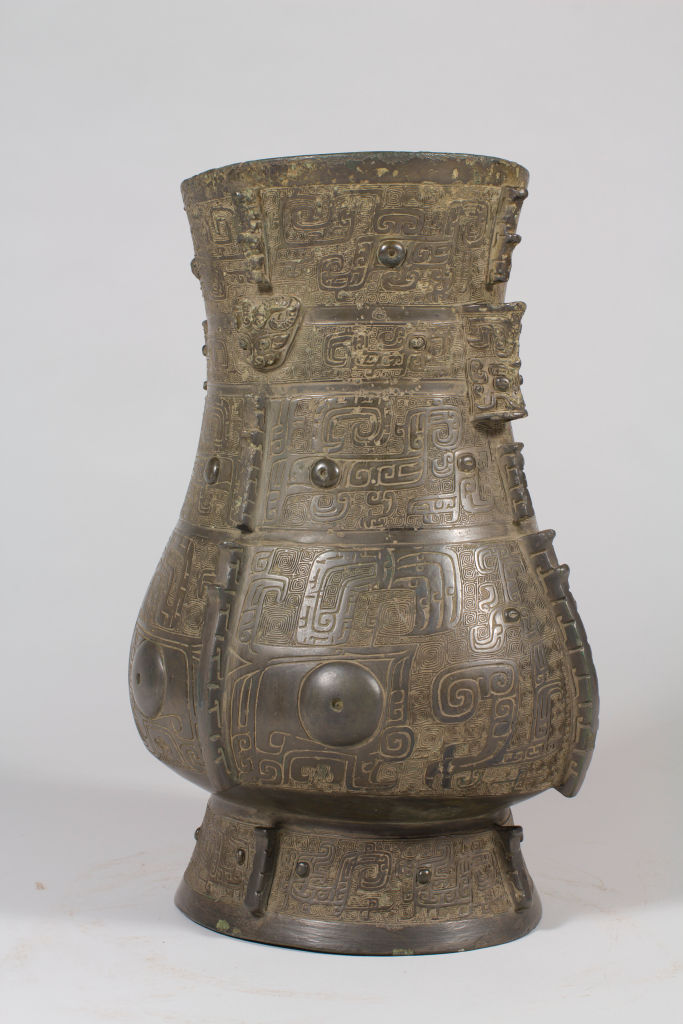
青銅饕餮紋壺(禮器)
地點中國河南省安陽
年代西元前13–12世紀
時期商代(約前1600–前1100)
材質青銅鑄造
尺寸高 41.9 公分 × 寬 31.1 公分 × 深 26.4 公分
銘文底內鑄有「𠂤」(Yo)字形象徵的古文字
館藏來源由 Helen Thurston Ayer 基金、Caroline Ladd Pratt 基金與博物館拍賣基金購藏
館藏編號54.30
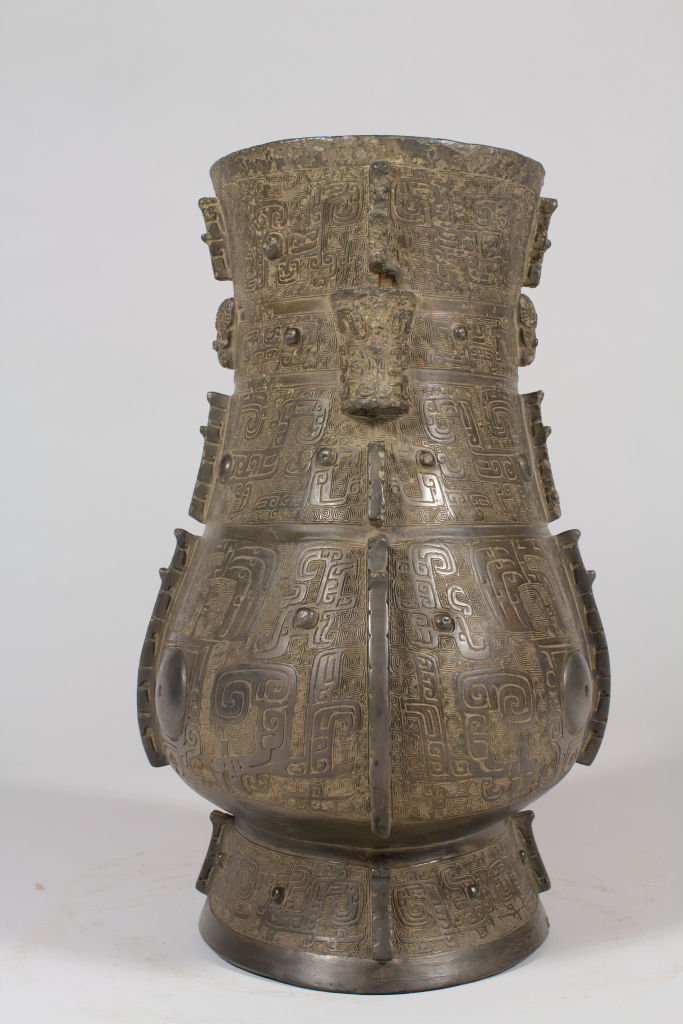
This magnificent hu wine vessel illustrates the remarkable skill of the royal Shang dynasty bronze foundries. Shang ritual bronzes were made in ceramic piece molds, drawing on centuries of Chinese experience in kiln technology. The caster began by making a clay model of the vessel, whch was dried and then packed in another layer of clay. The outer layer was cut away in sections, while the inner core was shaved down evenly on all sides; the core was placed inside the pieced outer layer and molten bronze was poured into the gap. There has been much debate about whether the surface designs were carved into the model (and transferred to the mold as negative impressions when the mold was packed around the core) or carved directly into the exterior mold. Slight but significant differences in the designs on the four vertical quadrants of this vessel suggest that four different craftsman carved the designs into the mold, all working from the same or a similar template.
Shang ritual bronzes are decorated with zoomorphic motifs that are both majestic and witty. Here, the widest band of decoration consists of a large taotie (composite animal) mask at the belly of the vessel. Small dragons, looking backward, parade around the foot of the vessel, while the upper two registers seem to portray elephants (facing the center) and birds (facing the sides). The remaining band of decor, just above the large mask, can be read either as two mythological animals in profile or as a frontal mask. On second look, the play between frontal and profile views seems to be everywhere. These puzzling designs may suggest the role of the animals consumed in ritual sacrifice, as creatures undergoing a transformation from one state to another, from the mundane to the supernatural world.

Title
Hu (Wine Vessel)
Related Titles
display title: Hu (Wine vessel)
display title: Hu (wine storage vessel) with taotie, dragon, elephant, and bird designs
original language: 青銅饕餮紋壺(禮器)
transliterated; translated: Hu (wine storage vessel)
China, Henan province, Anyang (Chinese)
Date
13th century/12th century BCE
Period
China: Shang Dynasty (ca. 1600-1100 BCE)
Medium
cast bronze
Dimensions (H x W x D)
16 1/2 in x 12 1/4 in x 10 3/8 in
Inscriptions & Markings
inscription: Marked on the inside of the base with the ancient Chinese pictograph for Yo.
Collection Area
Asian Art
Category
Ceremonial and Ritual Objects
Metalwork
Object Type
ritual vessel
Culture
Chinese
Credit Line
Museum Purchase: Helen Thurston Ayer Fund, Caroline Ladd Pratt Fund, and Museum auction funds
Accession Number
54.30


Comments