
拍賣筆記 vol.416 蘇富比香港2026:537.6萬港元售出,北宋定窯白釉劃牡丹紋分格葵口盌,壺中居,岡田博物館 - Sotheby’s 2026, Okada Sales Part 2, A Carved Dingyao 'Peony' Lobed Bowl, Northern Song Dynasty

Updated: Sep 4
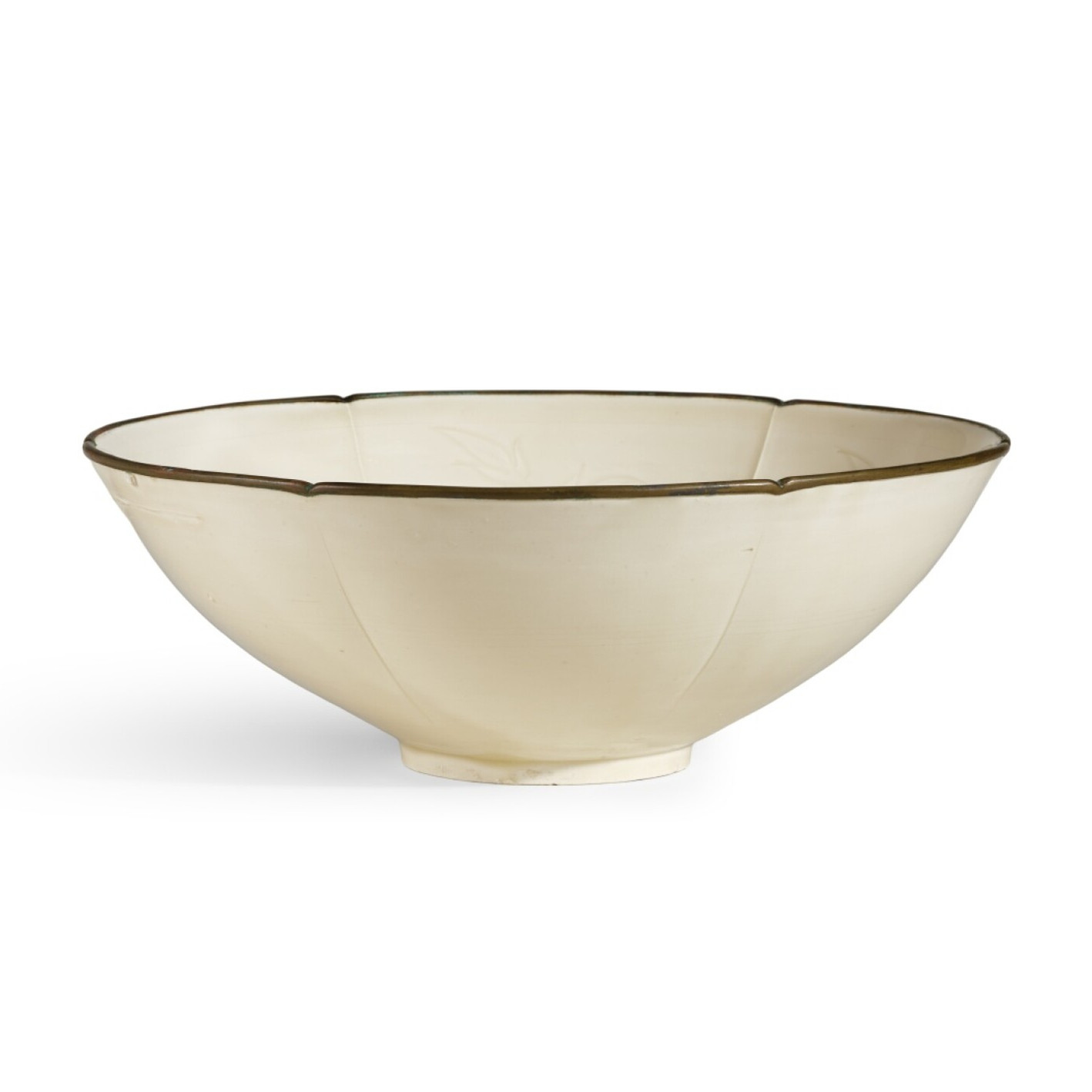
SACA拍場(2026.09.04):chrsitine和另一個電話爭奪,420萬落槌,6587。
北宋定窯名品中,此類作品曾作為東方陶瓷學會創始成員卡爾·坎普博士(Dr. Carl Kempe)2008年專場拍賣圖錄之封面亮相。宋代瓷器除汝窯與南宋官窯外,並無嚴格意義上的「官窯」指定,其餘窯口皆呈百花齊放之態;皇家亦曾向龍泉、定窯、磁州等窯口訂製宮廷用品。宋瓷收藏的實際核心,正在於從龐大數量中甄選同類中的精品與佼佼者——此亦藏家之樂也。這一套「思考—論證—購藏—展覽—釋放」的邏輯,正是倫敦東方陶瓷學會早期諸多藏家所共同建立的商業與學術傳統。
客觀而言,北宋定窯的刻畫、釉色與總體品相,皆為重要考核指標。杭州南宋皇城遺址曾出土一批帶有宮廷刻款的定窯器,進一步坐實宋代宮廷使用定窯的事實。如何區分「宮廷級」定窯,遂成關鍵所在,通常可從以下幾方面入手:一、整體規整程度;二、刻畫母題是否契合宮廷審美;三、刻工藝術水準與刻畫清晰度;四、是否帶有刻款;五、兩岸故宮收藏中是否有同款可資參照。
帶有宮廷概念的定窯收藏,正契合當下從明清官窯過渡至高古瓷器的收藏邏輯——其中最易為市場接受的,便是具有宮廷淵源的宋瓷。近五年來,市場因一系列圍繞假定窯與偽造海外老圖錄著錄的詐騙案而受挫,不少藏家因此將目光轉向其他品類。然而,回到器物本身,若在市場信心低迷之際,此類高品質定窯仍能以明顯偏低的價格出現,則從長線觀之,仍屬機會。詐騙案的影響終究有限;只要能確認傳承真實,高質量的定窯在合理價位區間,依然值得收藏。

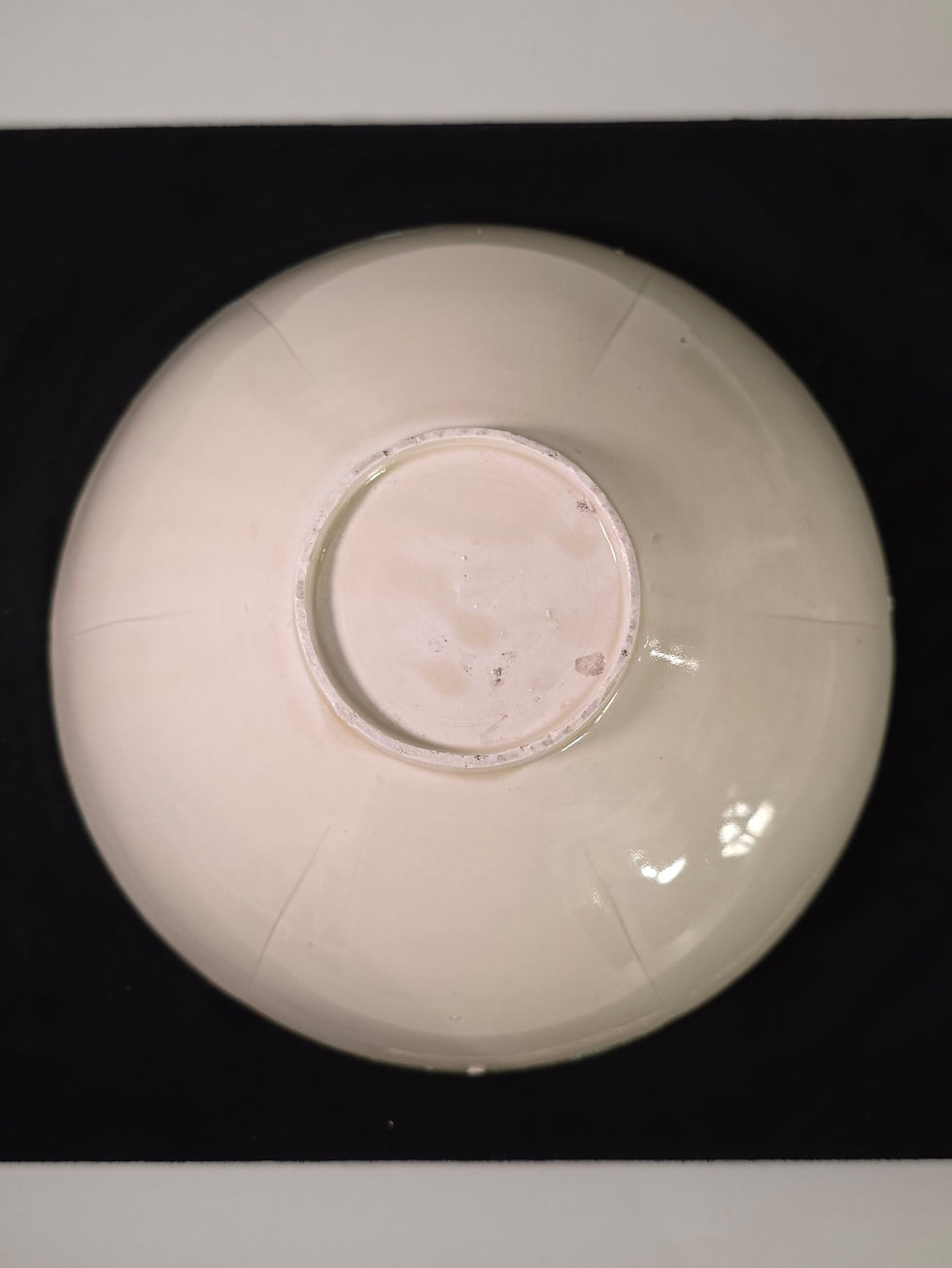
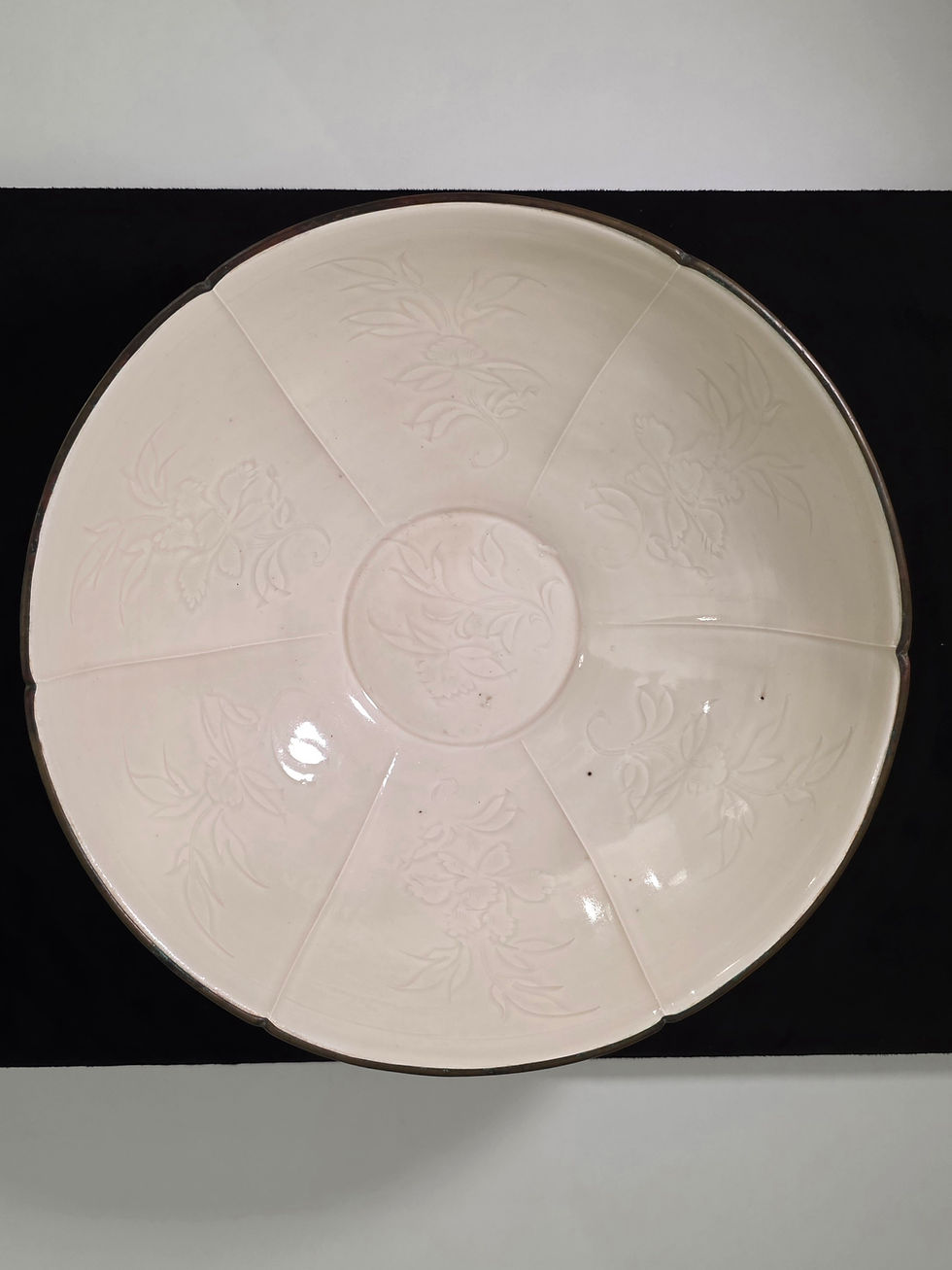
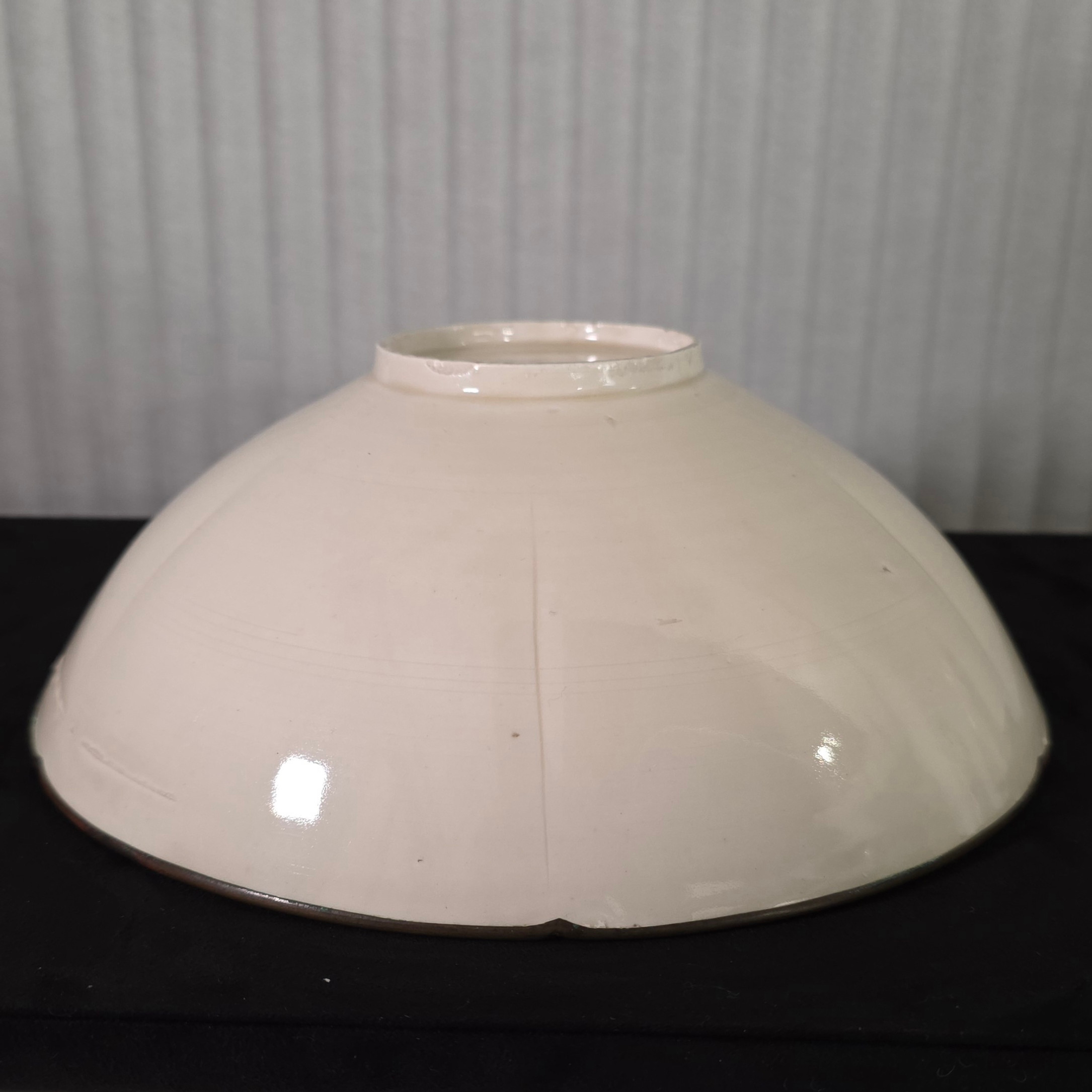
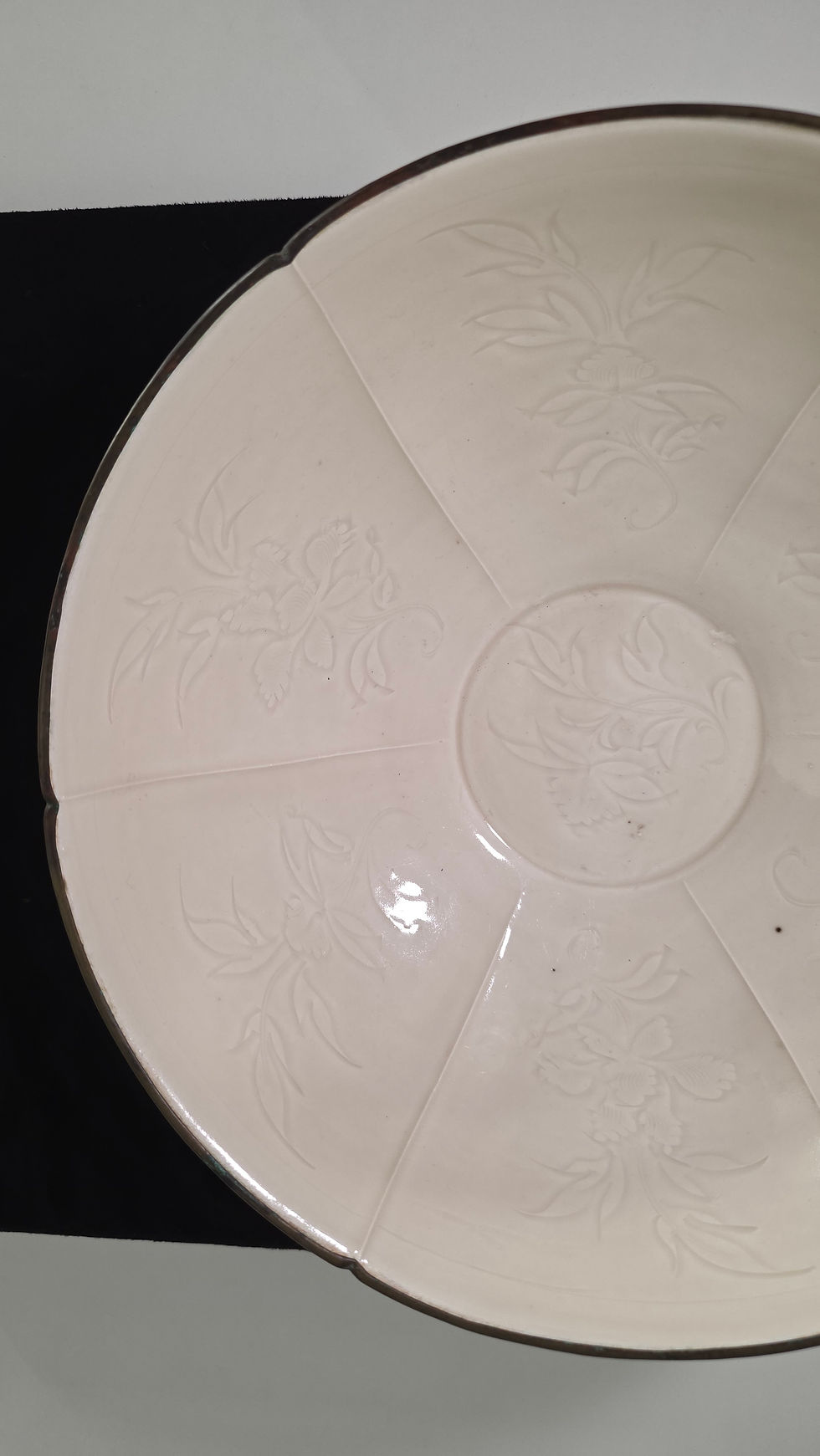
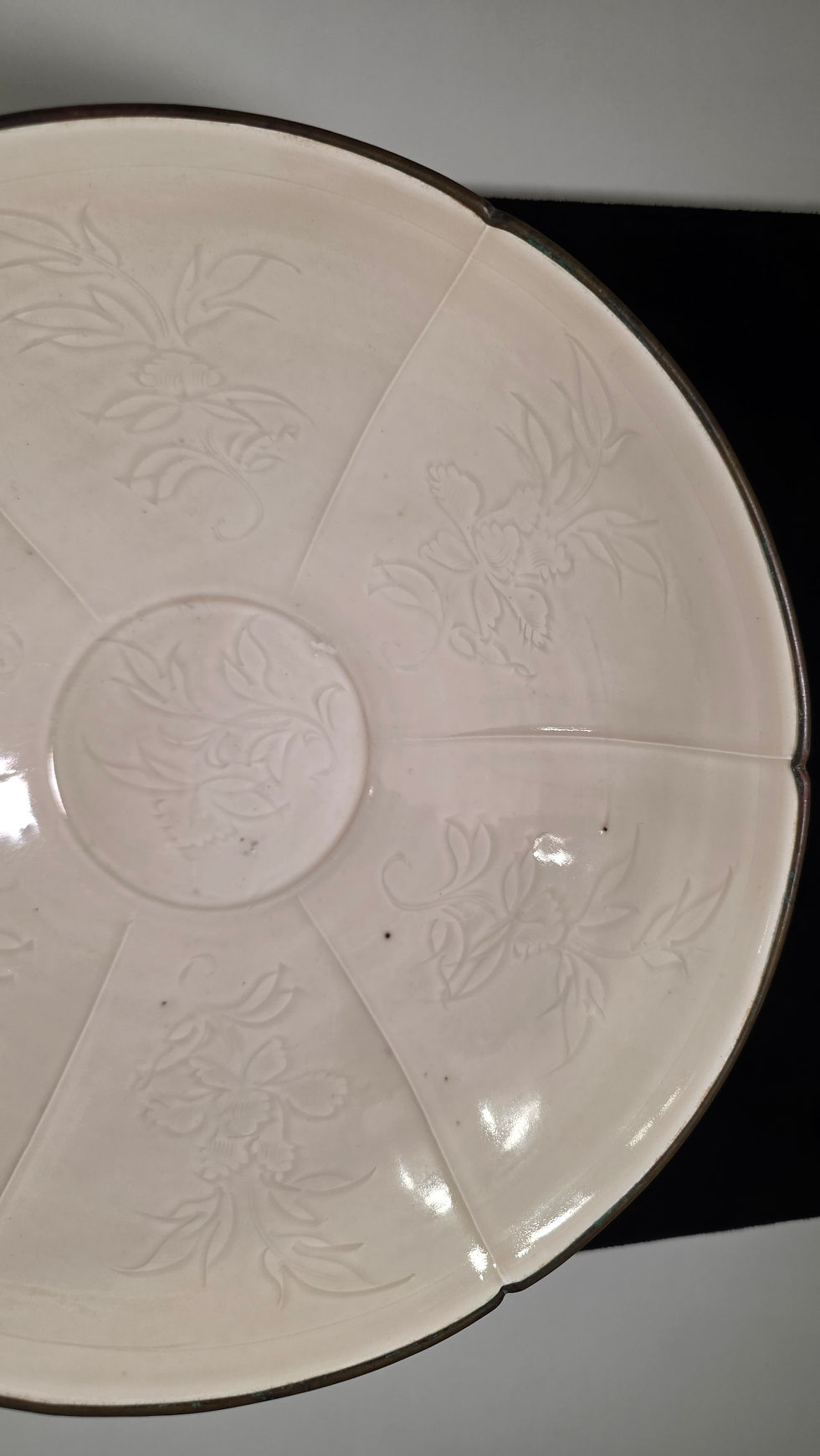
北宋定窯白釉劃牡丹紋分格葵口盌
A large carved Dingyao 'peony' lobed bowl, Northern Song dynasty
Estimate
400,000 - 800,000 HKD
拍賣時間:2026年9月4日
Description
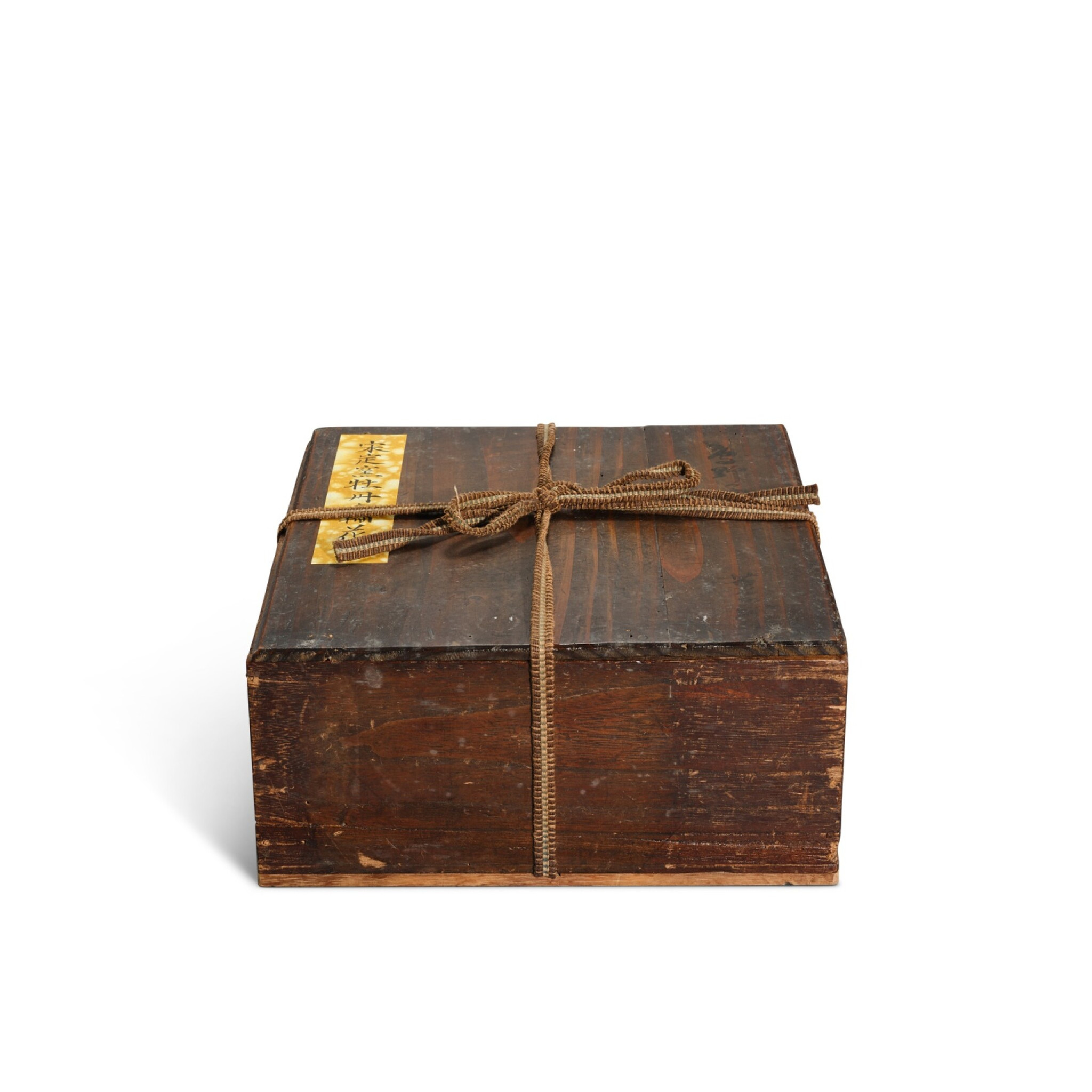
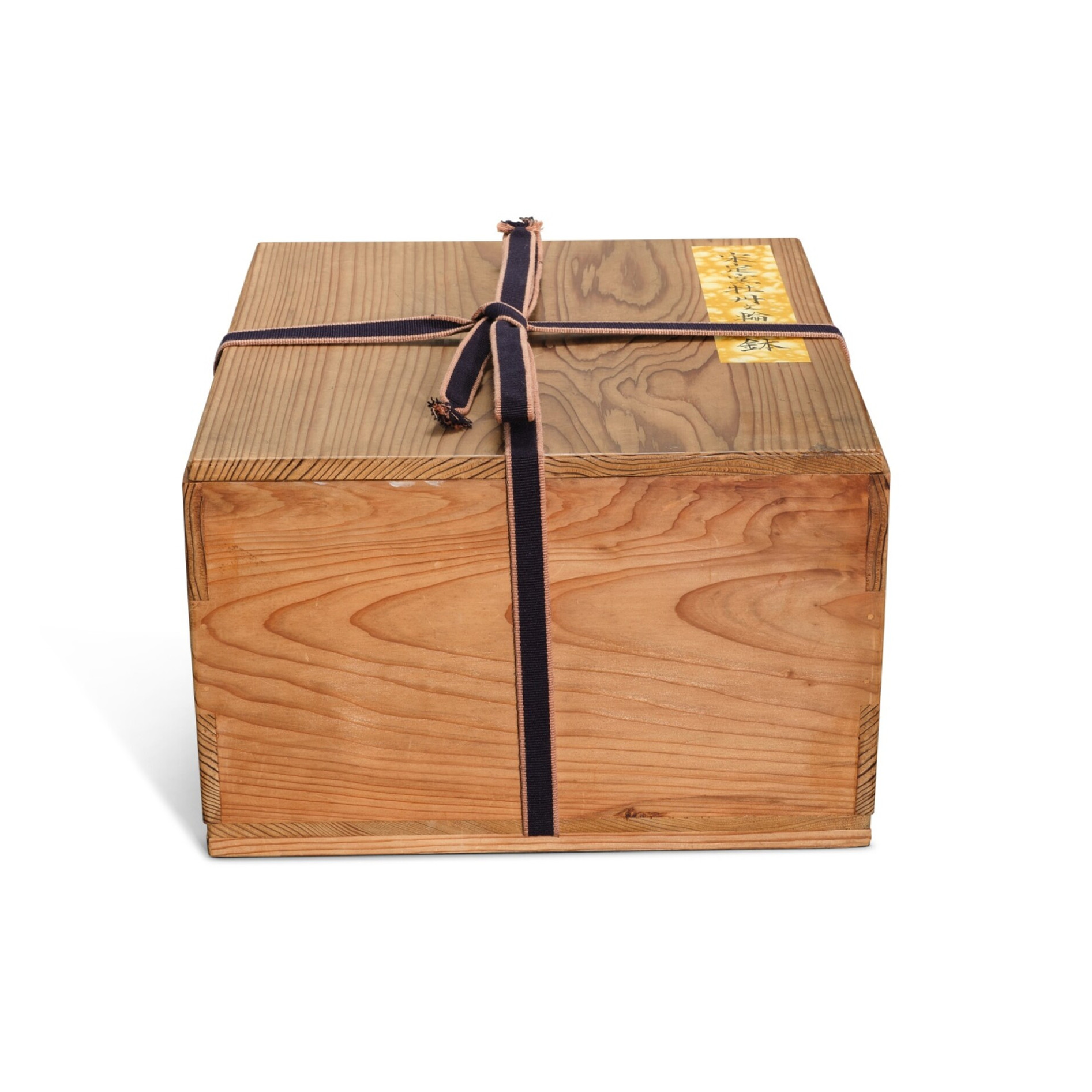
Japanese double wood box
Condition Report
Good overall condition, with just typical minor firing imperfections, such as a few small kiln flakes on the foot ring (largest approx. 1.2cm); and light surface wear/scratches.
整體品相良好。見正常窰燒微瑕,如圈足些許窰剝(最大約1.2公分)。輕微器面磨痕及劃痕。
來源
壺中居,東京
展覽
《開館5周年記念展―美のスターたち―光琳.若冲.北斎.汝窯など名品勢ぞろい》, 岡田美術館,箱根,2018–19年,展覽編號42(沒載圖)
出版
小林忠編,《岡田美術館名品撰》,卷1,東京,2013年,編號11
Provenance
Kochukyo Co., Ltd, Tokyo.
Exhibited
5th Anniversary Exhibition. All-Stars of the Okada Collection: Masterworks of Korin, Jakuchu, Hokusai and the Ru Ware Kilns, Okada Museum of Art, Hakone, 2018–19, exh. no. 42 (unillustrated).
Literature
Kobayashi Tadashi, ed., Masterpieces of the Okada Museum of Art, vol. 1, Tokyo, 2013, no. 11.
Among the celebrated Northern Song Ding wares, pieces of this type once appeared as the cover of the 2008 auction catalogue of Dr. Carl Kempe, a founding member of the Oriental Ceramic Society. Apart from Ru ware and Southern Song Guan ware, Song dynasty ceramics lacked a strictly designated “official kiln.” Other kilns flourished in remarkable diversity, and the imperial court itself commissioned works from Longquan, Ding, Cizhou, and other centres. The true core of Song porcelain collecting lies in identifying the finest examples within a vast production—an endeavour that remains one of the collector’s greatest pleasures. The coherent logic of research, argument, acquisition, exhibition, and eventual release was precisely the commercial and scholarly tradition established by the early members of the Oriental Ceramic Society in London.
Objectively, the quality of carving, the tone of the glaze, and overall condition are the principal criteria by which Northern Song Ding wares are judged. Excavations at the Southern Song imperial city site in Hangzhou have yielded a group of Ding vessels bearing court marks, confirming their use within the palace. Distinguishing “court-level” Ding ware therefore becomes essential and is generally approached through several considerations: first, the overall regularity and refinement of the piece; second, whether the carved motifs accord with imperial taste; third, the artistic quality and clarity of the carving; fourth, the presence of inscribed marks; and fifth, comparison with related examples in the Palace Museum collections on both sides of the Strait.
Collecting Ding ware with court associations fits naturally into the current trajectory of Chinese ceramic collecting—from Ming and Qing official wares toward earlier periods. Among Song ceramics, those with demonstrable imperial connections remain the most readily accepted. Over the past five years, however, the market has been shaken by a series of fraud cases involving fabricated Ding pieces and forged references in old Western catalogues. Many collectors have consequently shifted their attention to other categories. Yet if one returns to the objects themselves, high-quality examples appearing at markedly depressed prices amid weakened market confidence may still represent long-term opportunities. The impact of any single fraud episode is ultimately limited. Provided the provenance can be securely established, superior Ding wares acquired within a reasonable price range remain worthy of serious collecting.


Comments